




What is the weight of a typical Type A Plain Washer?
 Jul 16, 2025|
 Hey there! As a supplier of Type A Plain Washers, I often get asked about the weight of these little but super - useful components. So, let's dig into what the weight of a typical Type A Plain Washer is all about.
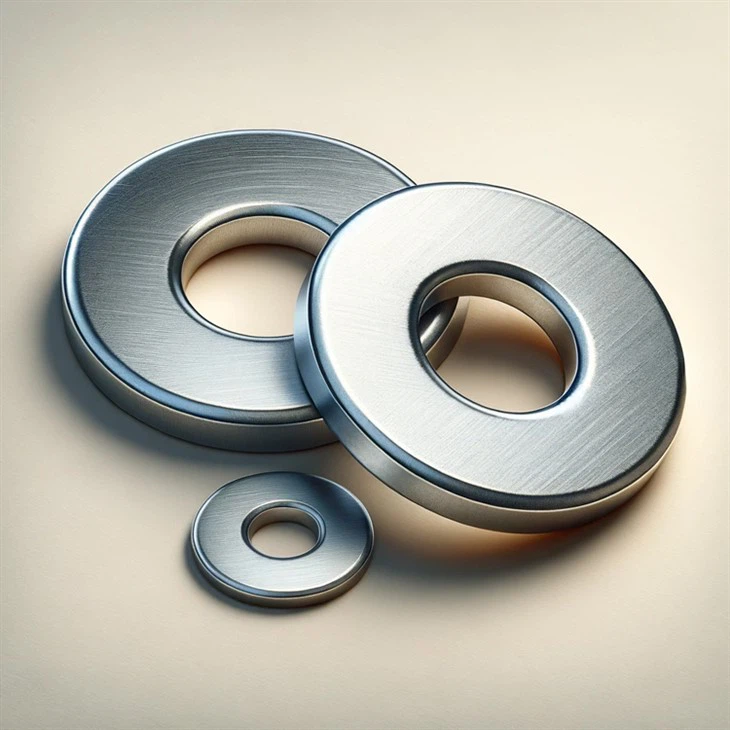
First off, what are Type A Plain Washers? They're those simple, flat, circular washers that you'll find in all sorts of applications. You can learn more about them here: Type A Plain Washers. They're used to distribute the load of a threaded fastener, like a bolt or a nut, over a larger area. This helps prevent damage to the surface being fastened and also makes the connection more secure.
Now, the weight of a Type A Plain Washer isn't a one - size - fits - all kind of deal. It depends on a few key factors. The most obvious one is the size of the washer. Washers come in different outer diameters, inner diameters, and thicknesses. Just like a bigger plate will weigh more than a smaller one, a larger Type A Plain Washer will generally weigh more than a smaller one.
Let's talk about the materials. Type A Plain Washers can be made from a variety of materials, such as steel, stainless steel, brass, and nylon. Each material has its own density, which directly affects the weight of the washer. Steel is a common choice because it's strong and relatively inexpensive. Stainless steel, on the other hand, is more corrosion - resistant but a bit heavier due to its alloying elements. Brass washers are often used in electrical applications because of their conductivity, and they have a different weight compared to steel ones. Nylon washers are lightweight and offer good insulation properties.
For example, a small steel Type A Plain Washer with an outer diameter of around 10mm, an inner diameter of 5mm, and a thickness of 1mm might weigh just a few grams. Maybe around 2 - 3 grams. But if you go up to a larger size, say an outer diameter of 50mm, an inner diameter of 20mm, and a thickness of 3mm, the weight can jump to 50 grams or more.
To give you a better idea, let's break it down by material. A steel washer, being dense, will have a certain weight range based on its size. A stainless - steel washer of the same dimensions will be a bit heavier because of the added elements like chromium and nickel. Brass washers are usually in between steel and stainless steel in terms of weight. And nylon washers are significantly lighter, often just a fraction of the weight of a metal washer.

Another factor that can affect the weight is the manufacturing process. If a washer is precision - machined, it might have a more consistent weight compared to one that's stamped. Stamped washers can sometimes have small variations in thickness or density, which can lead to slight differences in weight.
When it comes to applications, the weight of the washer can matter. In some aerospace or automotive applications, every gram counts. Engineers need to know the exact weight of the components they're using to ensure the overall weight of the vehicle or aircraft is within the design limits. In other cases, like in construction or general machinery, the weight might not be as critical, but it still affects the handling and shipping costs.
If you're in the market for washers, you might also be interested in Regular Helical Spring - Lock Washers. These are different from Type A Plain Washers as they have a spring - like design that helps prevent nuts from loosening due to vibration.
Now, I know you might be thinking, "Okay, that's great info, but how do I know the exact weight for my specific needs?" Well, that's where we come in. As a supplier of Type A Plain Washers, we have a wide range of sizes and materials available. We can provide you with detailed specifications, including the weight, for each type of washer we offer.
Whether you're a small - scale DIY enthusiast or a large - scale manufacturer, getting the right washer with the right weight is crucial. We understand that different projects have different requirements, and we're here to help you make the best choice.
If you're interested in purchasing Type A Plain Washers or have any questions about their weight, size, or material, don't hesitate to reach out. We're more than happy to assist you in finding the perfect washers for your project. We can also provide samples so you can physically feel the weight and quality of the washers before making a decision.
In conclusion, the weight of a typical Type A Plain Washer varies depending on size, material, and manufacturing process. But with our expertise and wide selection, we can ensure you get the washers that meet your exact needs. So, if you're looking for high - quality Type A Plain Washers, get in touch with us. We're ready to start a conversation and help you with your procurement.
References
- "Mechanical Fasteners Handbook"
- Industry standards for washer manufacturing