




Do Type A Plain Washers require lubrication?
 Oct 22, 2025|
 Hey there! As a supplier of Type A Plain Washers, I often get asked whether these little components require lubrication. It's a great question, and one that doesn't have a one - size - fits - all answer. So, let's dig deep into this topic and figure out when lubrication might be necessary and when it might not.
Understanding Type A Plain Washers
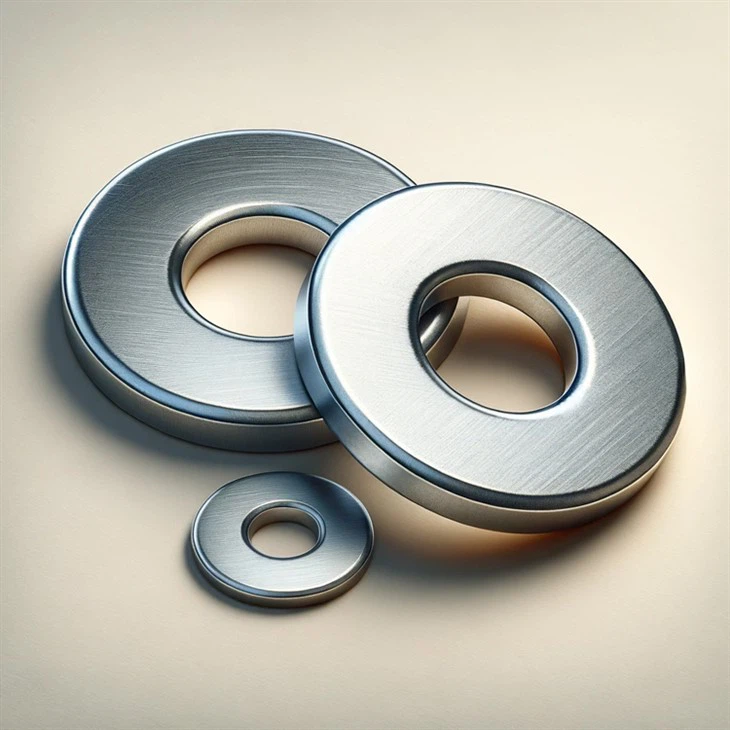
First off, let's talk a bit about what Type A Plain Washers are. These are simple, flat washers with a circular shape and a hole in the middle. They're used in a wide variety of applications, from automotive to construction, and even in household appliances. Their main job is to distribute the load of a threaded fastener, like a bolt or a nut, over a larger area. This helps prevent damage to the surface being fastened and ensures a more secure connection. You can find out more about them on our website Type A Plain Washers.

When Lubrication is a Good Idea
There are several scenarios where lubricating Type A Plain Washers can be beneficial.
High - Torque Applications
In applications where high torque is applied, such as in heavy - duty machinery or automotive engines, lubrication can reduce the friction between the washer and the mating surfaces. When you're tightening a bolt or a nut with a lot of force, the friction can cause the washer to bind or even deform. Lubricating the washer can make it easier to achieve the correct torque, ensuring that the fastener is tightened properly. This not only helps with the installation process but also improves the overall performance and longevity of the joint.
Corrosive Environments
If the Type A Plain Washers are going to be used in a corrosive environment, like near the ocean or in a chemical plant, lubrication can act as a protective barrier. Corrosion can weaken the washer over time, leading to failure of the joint. A good lubricant can prevent moisture and corrosive agents from coming into contact with the washer's surface, extending its lifespan.
Frequent Assembly and Disassembly
In situations where the fasteners need to be assembled and disassembled frequently, lubrication can make the process much smoother. Without lubrication, the repeated tightening and loosening can cause wear on the washer and the mating surfaces. Lubrication reduces this wear and tear, making it easier to remove and reinstall the fasteners without damaging the washer.
When Lubrication Might Not Be Necessary
However, there are also cases where lubrication isn't required or might even be counterproductive.
Low - Torque Applications
In low - torque applications, such as in light - duty furniture assembly or small electronic devices, the friction between the washer and the mating surfaces is usually not a significant issue. The forces involved are relatively small, and the washer can function properly without lubrication. Adding lubrication in these cases might actually be messy and unnecessary.
Clean and Dry Environments
If the Type A Plain Washers are used in a clean and dry environment, where there's no risk of corrosion or excessive friction, lubrication might not be needed. For example, in an indoor office setting or in a sealed enclosure, the washer can perform its function without any additional lubrication.
Types of Lubricants for Type A Plain Washers
If you've decided that lubrication is necessary for your Type A Plain Washers, there are several types of lubricants you can choose from.
Grease
Grease is a popular choice for lubricating washers. It has a thick consistency, which means it stays in place well and provides long - lasting lubrication. Grease can also offer good protection against corrosion. However, it can be messy to apply, and it might attract dirt and debris over time.
Oil
Oil is another option. It's thinner than grease, so it can penetrate into small spaces more easily. This makes it a good choice for applications where the washer needs to be lubricated quickly and efficiently. However, oil can drip and evaporate over time, so it might require more frequent re - application.
Dry Lubricants
Dry lubricants, such as graphite or molybdenum disulfide, are also available. These lubricants leave a dry, slippery film on the surface of the washer. They're great for applications where a clean and dry lubrication is required, like in food processing equipment or electronics.
Compatibility with Other Components
When choosing a lubricant for your Type A Plain Washers, it's important to consider its compatibility with other components in the joint. For example, some lubricants might react with certain types of metals or plastics, causing damage or reducing the effectiveness of the lubricant. Always check the manufacturer's recommendations to ensure that the lubricant you choose is compatible with all the materials involved.
Impact on Performance
Lubrication can have a significant impact on the performance of Type A Plain Washers. As mentioned earlier, it can reduce friction, prevent corrosion, and make assembly and disassembly easier. But it's important to note that over - lubrication can also be a problem. Too much lubricant can cause the washer to slip or move out of place during installation, leading to an insecure joint. So, it's crucial to apply the right amount of lubricant.
Comparing with Other Types of Washers
Let's briefly compare Type A Plain Washers with Regular Helical Spring - Lock Washers. Regular Helical Spring - Lock Washers are designed to provide a locking action, preventing the fastener from loosening due to vibration. While lubrication can also be beneficial for these washers in some cases, their main function is different from that of Type A Plain Washers. Type A Plain Washers are more focused on load distribution, while spring - lock washers are about preventing loosening.
Conclusion
So, do Type A Plain Washers require lubrication? The answer depends on the specific application. In high - torque, corrosive, or frequently assembled and disassembled applications, lubrication can be a great idea. But in low - torque, clean, and dry environments, it might not be necessary. As a supplier of Type A Plain Washers, I'm always here to help you make the right decision for your needs.
If you're interested in purchasing Type A Plain Washers or have any questions about their lubrication requirements, feel free to reach out. We can discuss your specific application and recommend the best solution for you. Whether you need a small quantity for a DIY project or a large order for an industrial application, we've got you covered.
References
- Machinery's Handbook, 31st Edition
- Fastener Technology Handbook, 2nd Edition