




Can Type A Plain Washers be used in electronic devices?
 Oct 10, 2025|
 In the intricate world of electronic devices, every component plays a crucial role in ensuring optimal performance and reliability. One such component that often goes unnoticed but is of significant importance is the washer. As a supplier of Type A Plain Washers, I am frequently asked whether these washers can be used in electronic devices. In this blog post, I will delve into the characteristics of Type A Plain Washers, explore their suitability for electronic applications, and discuss the factors to consider when making this decision.
Understanding Type A Plain Washers
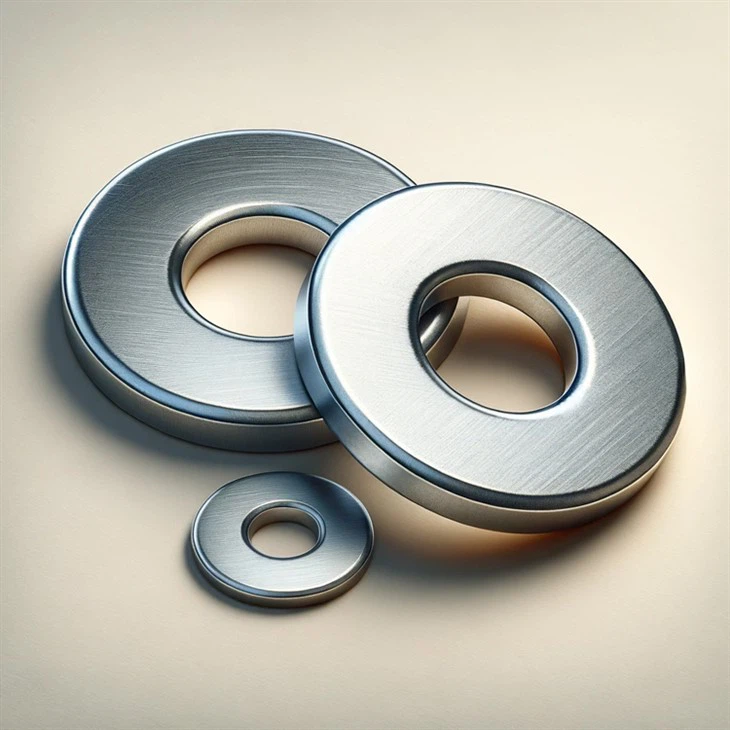
Type A Plain Washers are simple, flat, and circular discs with a central hole. They are typically made from materials such as steel, stainless steel, brass, or plastic, and come in a variety of sizes and thicknesses. The primary function of a plain washer is to distribute the load of a fastener (such as a bolt or a screw) over a larger area, preventing damage to the surface of the material being fastened. They also help to reduce friction between the fastener and the material, making it easier to tighten and loosen the fastener.
You can find more information about Type A Plain Washers on our website: Type A Plain Washers.
Suitability of Type A Plain Washers for Electronic Devices
The suitability of Type A Plain Washers for electronic devices depends on several factors, including the specific application, the environment in which the device will operate, and the requirements of the device's design. Here are some key considerations:
Electrical Conductivity
In some electronic applications, electrical conductivity is a critical factor. For example, in a circuit board, a washer may be used to provide a conductive path between two components. In such cases, a washer made from a conductive material such as copper or brass would be suitable. On the other hand, if electrical insulation is required, a washer made from a non-conductive material such as plastic or ceramic would be a better choice.

Corrosion Resistance
Electronic devices are often exposed to various environmental conditions, including humidity, moisture, and chemicals. These conditions can cause corrosion, which can damage the components of the device and affect its performance. Therefore, it is important to choose a washer that has good corrosion resistance. Stainless steel washers are a popular choice for electronic applications because they are highly resistant to corrosion.
Size and Thickness
The size and thickness of the washer are also important considerations. In electronic devices, space is often limited, so it is necessary to choose a washer that is the right size and thickness for the application. A washer that is too large or too thick may not fit properly, while a washer that is too small or too thin may not provide sufficient support.
Vibration and Shock Resistance
Electronic devices are often subject to vibration and shock, which can cause the fasteners to loosen over time. To prevent this, it may be necessary to use a washer that has good vibration and shock resistance. Regular Helical Spring-Lock Washers are designed to provide a locking action that helps to prevent the fasteners from loosening. You can learn more about these washers on our website: Regular Helical Spring-Lock Washers.
Advantages of Using Type A Plain Washers in Electronic Devices
Despite the challenges, there are several advantages to using Type A Plain Washers in electronic devices:
Cost-Effectiveness
Type A Plain Washers are relatively inexpensive compared to other types of washers and components. This makes them a cost-effective solution for electronic applications, especially when large quantities are required.
Simplicity
Type A Plain Washers are simple in design and easy to install. This makes them a convenient choice for electronic manufacturers, who can save time and labor costs by using these washers.
Versatility
Type A Plain Washers can be used in a wide range of electronic applications, from small consumer electronics to large industrial equipment. They can be used to distribute the load of a fastener, provide electrical conductivity or insulation, and prevent corrosion.
Disadvantages of Using Type A Plain Washers in Electronic Devices
While Type A Plain Washers have many advantages, there are also some disadvantages to using them in electronic devices:
Limited Locking Ability
Type A Plain Washers do not have a locking mechanism, which means that they may not be suitable for applications where the fasteners are subject to vibration or shock. In such cases, a locking washer or a thread-locking compound may be required.
Lack of Elasticity
Type A Plain Washers are made from rigid materials, which means that they do not have much elasticity. This can make them less effective in applications where the fasteners need to be tightened to a specific torque.
Conclusion
In conclusion, Type A Plain Washers can be used in electronic devices, but their suitability depends on the specific application and the requirements of the device's design. When choosing a washer for an electronic application, it is important to consider factors such as electrical conductivity, corrosion resistance, size and thickness, and vibration and shock resistance. While Type A Plain Washers have many advantages, they also have some limitations, so it is important to weigh the pros and cons before making a decision.
If you are interested in purchasing Type A Plain Washers for your electronic applications, please feel free to contact us for more information. We are a leading supplier of high-quality washers and can provide you with the products and services you need to meet your requirements.
References
- "Mechanical Fasteners Handbook" by Frank B. Kish.
- "Handbook of Electronic Packaging Design and Engineering" by C.P. Wong.