




Can I use multiple washers together?
 Jul 09, 2025|
 Hey there! As a washer supplier, I often get asked, "Can I use multiple washers together?" Well, let's dive right into this question and figure out what's up with stacking those washers.
Why People Consider Using Multiple Washers
First off, there are a few reasons why someone might think about using multiple washers. Sometimes, the application requires a thicker or more robust spacer. For example, in some heavy - duty machinery, a single washer might not provide enough support or the right amount of cushioning. If you're dealing with a large bolt and a surface that needs some extra protection from the pressure of tightening, using multiple washers can seem like a good solution.
Another reason could be that you don't have the exact size or type of washer you need on hand. So, instead of running out to get a new one, you might think about combining a couple of different washers to make do.
The Pros of Using Multiple Washers
Let's start with the good stuff. When you use multiple washers, you can create a custom thickness. Say you need a spacer that's 10mm thick, but your standard washers are only 2mm each. By using five of them together, you can achieve that desired thickness. This flexibility is a big plus, especially in a DIY or small - scale manufacturing setting where you might not have a wide range of washer sizes readily available.
In terms of load distribution, multiple washers can sometimes do a better job than a single one. When you stack washers, they can spread the load over a larger area. This is particularly useful when dealing with uneven surfaces. For instance, if you're mounting something on a surface that has a bit of a curve or is slightly rough, multiple washers can conform better to the surface and distribute the load more evenly, reducing the risk of damage to the surface or the fastener.
The Cons of Using Multiple Washers
However, it's not all sunshine and rainbows. One of the main issues with using multiple washers is the potential for instability. When you stack washers, they can shift or rotate relative to each other. This can lead to an uneven distribution of load over time, which might cause the fastener to loosen or the joint to fail. For example, in a high - vibration environment, like a car engine or a large industrial machine, the constant movement can make the stacked washers move around, and before you know it, your joint isn't as secure as it should be.

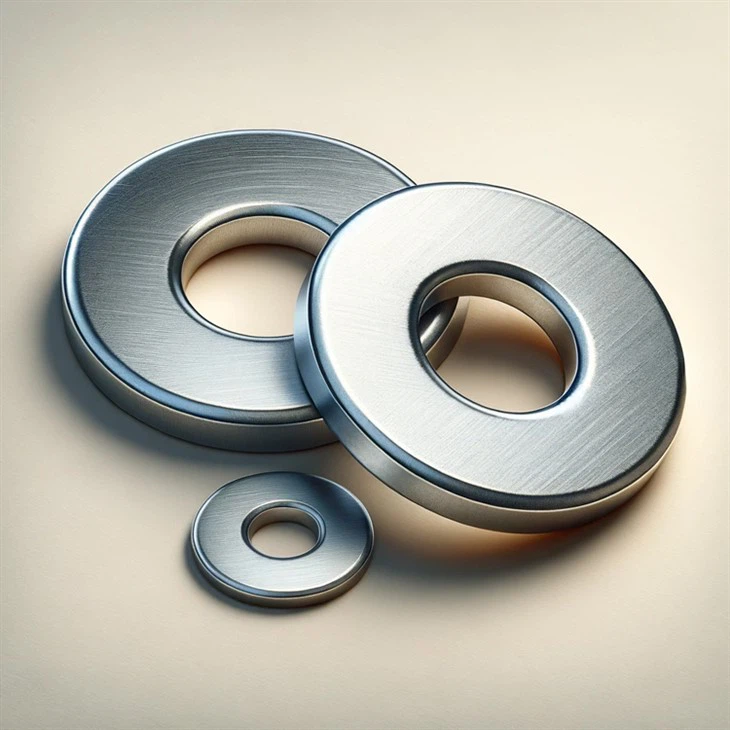
Another problem is corrosion. When multiple washers are in contact with each other, it can create crevices where moisture and contaminants can get trapped. This can accelerate corrosion, especially if the washers are made of metals that are prone to rusting. Over time, the corrosion can weaken the washers and compromise the integrity of the joint.
Compatibility of Different Types of Washers
Not all washers are created equal, and not all of them play well together. Let's take a look at some common types of washers and whether they can be used in combination.
Regular Helical Spring - Lock Washers
Regular Helical Spring - Lock Washers are designed to prevent loosening by providing a spring - like action. These washers work by exerting a force between the nut and the surface, which helps to keep the fastener tight. If you want to use multiple of these washers, be careful. Stacking too many of them can actually reduce their effectiveness. The spring action might get compromised, and they might not be able to provide the necessary locking force.
Type A Plain Washers
Type A Plain Washers are the most basic type of washers. They're mainly used to distribute the load and protect the surface. You can stack multiple Type A plain washers to increase the thickness. However, make sure they're all the same size and material to ensure even load distribution. If you mix different sizes or materials, you might end up with an uneven load and potential joint failure.
Best Practices for Using Multiple Washers
If you've decided that using multiple washers is the way to go, here are some tips to make sure you do it right.
First, clean the washers thoroughly before stacking them. This will remove any dirt, debris, or contaminants that could cause corrosion or affect the performance of the washers.
Second, make sure the washers are properly aligned. This will help to ensure even load distribution and prevent shifting. You can use a small tool or your fingers to line them up carefully before tightening the fastener.
Third, use a washer of the same material and finish whenever possible. This will reduce the risk of galvanic corrosion, which occurs when two different metals are in contact with each other in the presence of an electrolyte (like moisture).
Finally, check the joint regularly, especially in high - stress or high - vibration applications. Look for signs of loosening, shifting, or corrosion. If you notice any issues, take action immediately to prevent further damage.
Conclusion
So, can you use multiple washers together? The answer is yes, but with some caveats. There are definitely situations where using multiple washers can be a great solution, offering flexibility and better load distribution. However, there are also potential problems like instability and corrosion that you need to be aware of. By understanding the pros and cons, choosing the right types of washers, and following best practices, you can make the most of using multiple washers in your applications.
If you're still unsure about which washers to use or how to stack them, don't hesitate to reach out. We're here to help you make the right choices for your projects. Whether you're a DIY enthusiast or a professional in the manufacturing industry, we have a wide range of washers to meet your needs. Contact us to start a conversation about your washer requirements and let's work together to find the best solutions!
References
- Machinery's Handbook, 31st Edition
- Fasteners and Fixings Handbook, Second Edition