




Are Type A Plain Washers suitable for electrical applications?
 Jul 25, 2025|
 Hey there! As a supplier of Type A Plain Washers, I often get asked if these little guys are suitable for electrical applications. Well, let's dive right in and find out.
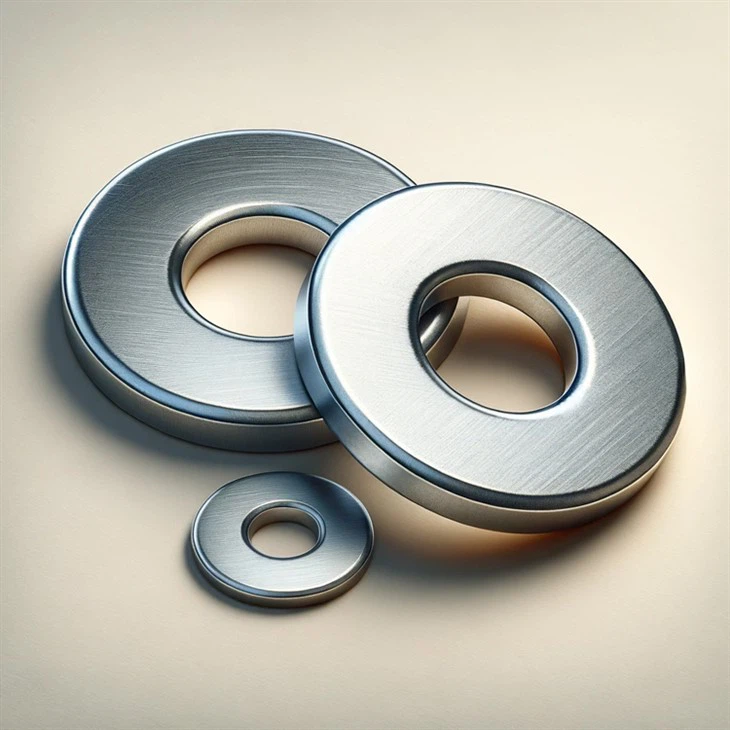
First off, let's talk a bit about what Type A Plain Washers are. They're simple, flat, circular pieces with a hole in the middle. You can check out more details about them here: Type A Plain Washers. These washers are commonly used in a wide range of applications to distribute the load of a threaded fastener, like a bolt or a nut. They prevent damage to the surface being fastened and help keep the fastener in place.
Now, when it comes to electrical applications, there are a few key factors we need to consider.
Electrical Conductivity
One of the most important things in electrical applications is conductivity. In some cases, you might want a washer that conducts electricity well. For example, in a circuit where you need to ensure a good electrical connection between different components. Type A Plain Washers can be made from various materials, and some of them are quite conductive. Metals like copper and aluminum are often used to make these washers, and they have excellent electrical conductivity.
Copper, for instance, is a popular choice for electrical applications because it has a low resistance, which means electricity can flow through it easily. Aluminum is also a good option as it's lightweight and has decent conductivity. So, if you need a washer that can help with electrical conduction, a Type A Plain Washer made from the right material can definitely do the job.
On the other hand, there are situations where you might want a washer that acts as an insulator. Maybe you're trying to prevent electrical current from flowing in a certain direction or protect sensitive components from electrical interference. In these cases, you'd want to use a Type A Plain Washer made from a non - conductive material like plastic or ceramic.
Corrosion Resistance
In electrical applications, corrosion can be a real problem. If a washer corrodes, it can affect the electrical connection and even lead to component failure. Type A Plain Washers can be treated or made from materials that have good corrosion resistance. For example, stainless steel is a great choice as it's highly resistant to rust and corrosion. It can withstand harsh environmental conditions, such as high humidity or exposure to chemicals, without degrading.
When you're dealing with electrical systems that are installed outdoors or in industrial settings, corrosion - resistant washers are a must. A corroded washer can cause a poor electrical connection, which can lead to increased resistance, overheating, and potentially dangerous situations. So, make sure to choose a Type A Plain Washer with the right level of corrosion resistance for your specific application.

Mechanical Stability
Another aspect to consider is the mechanical stability of the washer. In electrical applications, the washer needs to hold up under the mechanical stresses of the installation. For example, if there are vibrations or shocks in the system, the washer should stay in place and maintain its function.
Type A Plain Washers are designed to provide a stable base for the fastener. They distribute the load evenly, which helps prevent the fastener from loosening over time. This is especially important in electrical equipment where loose fasteners can cause short circuits or other electrical problems.
However, in some high - vibration applications, you might want to consider using additional locking mechanisms. One option is to use Regular Helical Spring - Lock Washers in combination with Type A Plain Washers. The spring - lock washers can help keep the fastener tight by applying a constant pressure, even when there are vibrations.
Size and Fit
Getting the right size and fit of the Type A Plain Washer is crucial in electrical applications. If the washer is too small, it might not distribute the load properly, and if it's too large, it could interfere with other components in the electrical system.
You need to consider the size of the fastener and the hole in the components being fastened. Make sure the inner diameter of the washer matches the diameter of the fastener, and the outer diameter is appropriate for the surface area where it will be placed. A proper fit ensures that the washer functions as intended and helps maintain a reliable electrical connection.
Cost - Effectiveness
Let's not forget about cost. In any application, including electrical ones, cost - effectiveness is an important factor. Type A Plain Washers are generally quite affordable, especially when compared to some specialized electrical components. You can get a large quantity of these washers at a reasonable price, which makes them a great choice for mass - produced electrical products.
However, you also need to balance cost with quality. Don't just go for the cheapest option, as a low - quality washer might not perform well in the long run. Look for a supplier who offers a good balance of quality and price, and make sure the washers meet the required standards for your electrical application.
Conclusion
So, are Type A Plain Washers suitable for electrical applications? The answer is yes, but it depends on your specific needs. If you need a washer for electrical conduction, corrosion resistance, mechanical stability, and you get the right size and fit, then a Type A Plain Washer can be a great choice. Whether you're working on a small DIY electrical project or a large - scale industrial electrical system, these washers can play an important role.
If you're interested in purchasing Type A Plain Washers for your electrical applications, I'd love to have a chat with you. We can discuss your specific requirements, the best materials for your project, and work out a deal that suits your budget. Just reach out, and let's start the conversation!
References
- "Handbook of Fasteners and Their Applications"
- Various industry standards related to electrical components and washers