




What materials are washers made of?
 Jun 30, 2025|
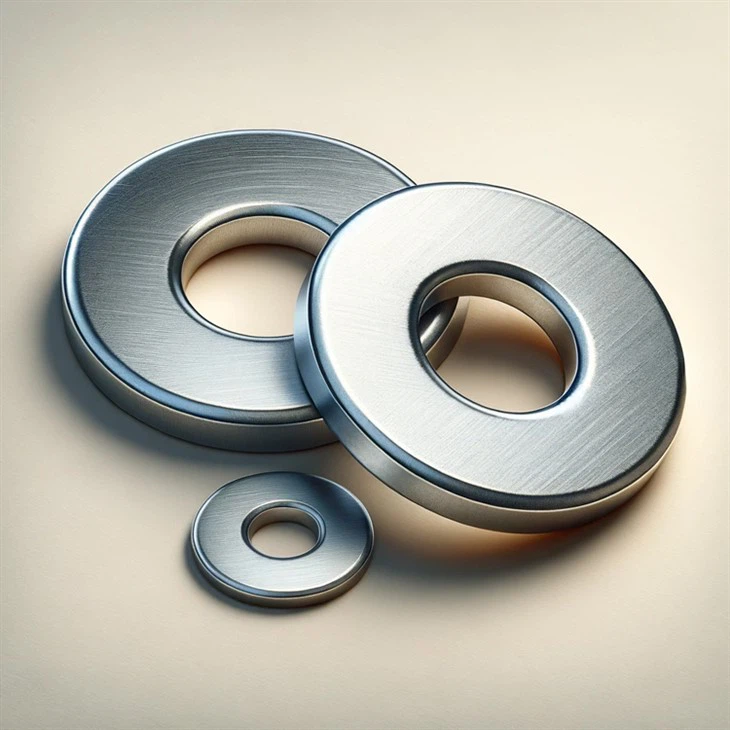
 Washers are small yet essential components used in a wide range of applications, from simple household repairs to complex industrial machinery. As a trusted washer supplier, I often receive inquiries about the materials used to make these versatile parts. In this blog post, I will explore the various materials commonly used in washer manufacturing, their properties, and the applications they are best suited for.
Metals
Metals are the most common materials used in washer production due to their strength, durability, and conductivity. Here are some of the metals frequently used in washer manufacturing:
Steel
Steel is one of the most popular materials for washers because of its high strength, affordability, and wide availability. It can be further classified into different types based on its composition and properties:
- Carbon Steel: This is the most basic type of steel, containing primarily iron and carbon. Carbon steel washers are strong and durable, making them suitable for general-purpose applications. They are commonly used in construction, automotive, and machinery industries.
- Stainless Steel: Stainless steel is an alloy of steel that contains chromium, which gives it excellent corrosion resistance. Stainless steel washers are ideal for applications where rust and corrosion are a concern, such as outdoor structures, marine equipment, and food processing machinery. They are also available in different grades, each with varying levels of corrosion resistance and strength.
- Alloy Steel: Alloy steel is a type of steel that contains additional elements such as nickel, chromium, and molybdenum to enhance its properties. Alloy steel washers are stronger and more resistant to wear and tear than carbon steel washers. They are commonly used in high-stress applications, such as automotive engines, aerospace components, and heavy machinery.
Brass
Brass is an alloy of copper and zinc, known for its excellent corrosion resistance, electrical conductivity, and aesthetic appeal. Brass washers are commonly used in electrical applications, plumbing fixtures, and decorative hardware. They are also suitable for applications where a non-magnetic material is required.
Copper
Copper is a highly conductive metal with excellent corrosion resistance. Copper washers are commonly used in electrical and plumbing applications, where their high conductivity allows for efficient transfer of electricity or fluid. They are also used in applications where a soft and malleable material is required, such as sealing joints and gaskets.
Aluminum
Aluminum is a lightweight metal with good corrosion resistance and electrical conductivity. Aluminum washers are commonly used in applications where weight is a concern, such as aerospace and automotive industries. They are also suitable for applications where a non-magnetic material is required.
Non-Metals
In addition to metals, non-metallic materials are also used in washer manufacturing. These materials offer unique properties such as insulation, chemical resistance, and flexibility. Here are some of the non-metallic materials commonly used in washer production:
Plastic
Plastic is a versatile material that can be molded into various shapes and sizes. Plastic washers are lightweight, inexpensive, and resistant to corrosion and chemicals. They are commonly used in applications where insulation, noise reduction, or vibration damping is required, such as electrical appliances, plumbing fixtures, and automotive components.
Rubber
Rubber is a flexible and elastic material with excellent sealing properties. Rubber washers are commonly used in applications where a tight seal is required, such as plumbing joints, automotive engines, and hydraulic systems. They are also used in applications where vibration isolation or shock absorption is needed, such as machinery mounts and electronic devices.
Fiber
Fiber materials such as paper, cardboard, and felt are also used in washer manufacturing. These materials are lightweight, inexpensive, and can be easily cut and shaped. Fiber washers are commonly used in applications where a soft and compressible material is required, such as gaskets, seals, and insulation.
Applications
The choice of washer material depends on the specific application requirements. Here are some examples of how different materials are used in various industries:
Construction
In the construction industry, steel washers are commonly used to secure bolts and nuts in structural applications. Stainless steel washers are preferred in outdoor and coastal areas where corrosion is a concern. Plastic and rubber washers are used for sealing joints and preventing leaks in plumbing and HVAC systems.
Automotive
In the automotive industry, steel and alloy steel washers are used in engine components, suspension systems, and braking systems. Brass and copper washers are used in electrical applications, such as battery terminals and wiring connections. Rubber washers are used for sealing gaskets and preventing leaks in fuel and coolant systems.
Electronics
In the electronics industry, plastic and rubber washers are used for insulation, vibration damping, and noise reduction. Copper and aluminum washers are used in electrical connections to ensure efficient transfer of electricity.
Machinery
In the machinery industry, steel and alloy steel washers are used in high-stress applications, such as gears, bearings, and shafts. Brass and copper washers are used in electrical and plumbing applications. Plastic and rubber washers are used for sealing joints and preventing leaks in hydraulic and pneumatic systems.

Conclusion
As a washer supplier, I understand the importance of choosing the right material for your specific application. The materials used in washer manufacturing offer a wide range of properties, including strength, durability, corrosion resistance, electrical conductivity, and flexibility. By understanding the properties of different materials and their applications, you can make an informed decision when selecting washers for your project.
If you are in need of high-quality washers for your application, I invite you to explore our extensive product catalog. We offer a wide range of washers made from various materials, including Regular Helical Spring-Lock Washers and Type A Plain Washers. Our team of experts is available to assist you in selecting the right washers for your specific requirements. Contact us today to discuss your needs and start a procurement conversation.
References
- ASM Handbook, Volume 1: Properties and Selection: Irons, Steels, and High-Performance Alloys
- ASTM International Standards for Washers
- Machinery's Handbook, 31st Edition