




What is the thickness range of Type A Plain Washers?
 Jan 14, 2026|
 When it comes to fasteners, Type A Plain Washers play a crucial role in various industries. As a supplier of Type A Plain Washers, I am often asked about the thickness range of these essential components. In this blog post, I'll delve into the details of the thickness range of Type A Plain Washers, their significance, and how they compare to other types of washers.
Understanding Type A Plain Washers
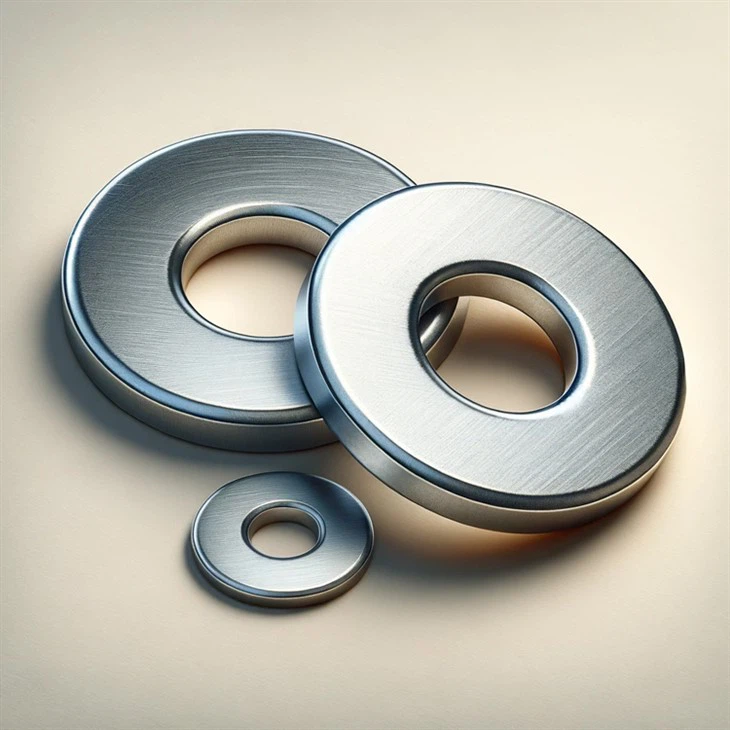
Type A Plain Washers are flat, circular discs with a central hole. They are typically used to distribute the load of a threaded fastener, such as a bolt or a nut, over a larger surface area. This helps prevent damage to the material being fastened and ensures a more secure connection. Type A Plain Washers are available in a variety of materials, including steel, stainless steel, brass, and nylon, to suit different applications.
You can find more information about Type A Plain Washers on our website: Type A Plain Washers.

Thickness Range of Type A Plain Washers
The thickness range of Type A Plain Washers can vary depending on the size and application requirements. Generally, the thickness of these washers ranges from as thin as 0.5 mm to as thick as 6 mm. However, it's important to note that these are approximate ranges, and specific thicknesses may be available based on custom orders.
For smaller sizes of Type A Plain Washers, such as those with an outer diameter of less than 10 mm, the thickness is usually on the thinner side, typically around 0.5 mm to 1 mm. These thin washers are commonly used in applications where space is limited or where a minimal amount of load distribution is required.
Medium-sized Type A Plain Washers, with an outer diameter ranging from 10 mm to 30 mm, typically have a thickness in the range of 1 mm to 3 mm. These washers are suitable for a wide range of general applications, including machinery, automotive, and construction.
Larger Type A Plain Washers, with an outer diameter greater than 30 mm, may have a thickness of 3 mm to 6 mm or more. These thicker washers are designed to handle heavier loads and provide enhanced load distribution in applications such as heavy machinery, bridges, and large-scale construction projects.
Factors Affecting the Thickness Selection
Several factors need to be considered when selecting the appropriate thickness for Type A Plain Washers:
- Load Requirements: The amount of load that the washer needs to distribute is a critical factor. Heavier loads require thicker washers to ensure proper load distribution and prevent damage to the fastened materials.
- Material of the Fastener and the Workpiece: The hardness and strength of the fastener and the workpiece also influence the thickness selection. Softer materials may require thicker washers to prevent deformation.
- Application Environment: In some applications, such as those exposed to vibration or extreme temperatures, thicker washers may be necessary to maintain a secure connection.
Comparison with Regular Helical Spring-Lock Washers
While Type A Plain Washers are used primarily for load distribution, Regular Helical Spring-Lock Washers serve a different purpose. These washers are designed to prevent nuts and bolts from loosening due to vibration or other external forces. They have a coiled shape that provides a spring-like action, creating tension between the fastener and the workpiece.
You can learn more about Regular Helical Spring-Lock Washers on our website: Regular Helical Spring-Lock Washers.
Compared to Type A Plain Washers, Regular Helical Spring-Lock Washers have a more complex design and perform a different function. However, in some applications, both types of washers may be used together. For example, a Type A Plain Washer can be used to distribute the load, while a Regular Helical Spring-Lock Washer can be used to prevent loosening.
Importance of Choosing the Right Thickness
Selecting the right thickness for Type A Plain Washers is crucial for the safety and performance of the overall fastening system. If the washer is too thin, it may not be able to distribute the load effectively, leading to damage to the workpiece or the fastener. On the other hand, if the washer is too thick, it may not fit properly or may cause unnecessary stress on the fastening system.
Custom Thickness Options
As a supplier of Type A Plain Washers, we understand that different applications may require specific thicknesses. That's why we offer custom manufacturing services to meet the unique needs of our customers. Whether you need thinner washers for a specific application or thicker washers to handle heavy loads, we can work with you to produce the right Type A Plain Washers.
Conclusion
The thickness range of Type A Plain Washers is an important consideration when selecting the right washer for your application. By understanding the thickness range and the factors that affect the selection, you can ensure that you choose the most suitable washer for your needs. Whether you're working on a small DIY project or a large industrial application, our Type A Plain Washers are designed to provide reliable load distribution and ensure a secure connection.
If you're interested in purchasing Type A Plain Washers or have any questions about our products, please feel free to contact us for a consultation and to discuss your procurement needs. We look forward to working with you to find the perfect fastening solutions.
References
- Machinery's Handbook, 31st Edition
- Fastener Standards and Specifications