




What is the outer diameter range of Type A Plain Washers?
 Nov 04, 2025|
 As a supplier of Type A Plain Washers, I often get asked about the outer diameter range of these essential components. In this blog post, I'll delve into the details of the outer diameter range of Type A Plain Washers, providing you with valuable insights that can help you make informed decisions for your projects.
Understanding Type A Plain Washers
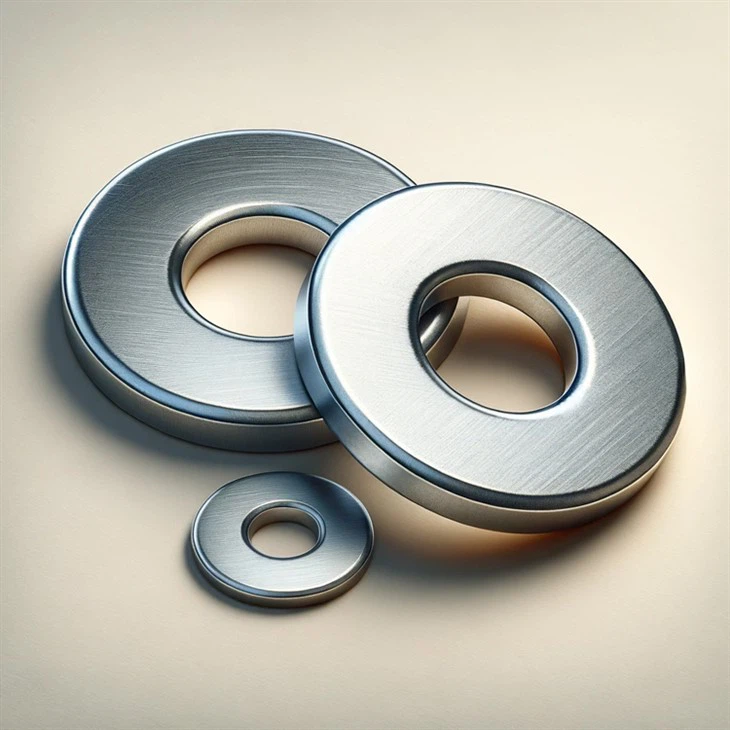
Type A Plain Washers are one of the most commonly used types of washers in various industries. They are flat, circular discs with a central hole, designed to distribute the load of a threaded fastener over a larger area. This helps to prevent damage to the surface being fastened, reduce the risk of loosening, and improve the overall stability of the joint.
These washers are typically made from materials such as steel, stainless steel, brass, and nylon, each offering different levels of strength, corrosion resistance, and durability. The choice of material depends on the specific application requirements, including the environment, load capacity, and budget.
Outer Diameter Range of Type A Plain Washers
The outer diameter range of Type A Plain Washers can vary significantly depending on the size of the washer and the standards it adheres to. In general, the outer diameter of Type A Plain Washers is larger than the diameter of the central hole, with the exact dimensions specified by international standards such as ISO, ASTM, and DIN.
For example, according to the ISO 7089 standard, the outer diameter of Type A Plain Washers ranges from 3.2 mm to 64 mm, depending on the nominal size of the washer. Similarly, the ASTM F436 standard specifies an outer diameter range of 0.1875 inches to 3.5 inches for Type A Plain Washers.
It's important to note that these are just general guidelines, and the actual outer diameter range may vary depending on the manufacturer and the specific requirements of the application. When selecting Type A Plain Washers, it's crucial to refer to the relevant standards and specifications to ensure that the washers meet your needs.
Factors Affecting the Outer Diameter Range
Several factors can influence the outer diameter range of Type A Plain Washers. These include:
- Fastener Size: The size of the fastener being used is one of the primary factors that determine the outer diameter of the washer. Generally, larger fasteners require larger washers to distribute the load effectively.
- Load Capacity: The load capacity of the joint is another important consideration. Washers with a larger outer diameter can distribute the load over a larger area, reducing the stress on the surface being fastened and improving the overall strength of the joint.
- Application Requirements: The specific requirements of the application, such as the environment, temperature, and vibration levels, can also affect the choice of washer outer diameter. For example, in high-vibration applications, washers with a larger outer diameter may be preferred to prevent loosening.
- Industry Standards: As mentioned earlier, industry standards play a crucial role in determining the outer diameter range of Type A Plain Washers. It's important to ensure that the washers you select comply with the relevant standards to ensure compatibility and performance.
Importance of Choosing the Right Outer Diameter
Choosing the right outer diameter for Type A Plain Washers is essential for ensuring the proper functioning and longevity of the joint. Here are some reasons why:
- Load Distribution: A washer with the correct outer diameter can distribute the load of the fastener evenly over the surface being fastened, reducing the risk of damage and improving the overall stability of the joint.
- Preventing Loosening: A washer with a larger outer diameter can provide more resistance to loosening due to vibration and other external forces, ensuring that the joint remains secure over time.
- Compatibility: Selecting a washer with the correct outer diameter ensures compatibility with the fastener and the surface being fastened, preventing issues such as misalignment and improper seating.
- Performance: Using washers with the appropriate outer diameter can improve the performance of the joint, reducing the risk of failure and increasing the overall reliability of the system.
Conclusion
In conclusion, the outer diameter range of Type A Plain Washers is an important consideration when selecting these components for your projects. By understanding the factors that affect the outer diameter range and choosing the right size for your application, you can ensure the proper functioning and longevity of the joint.
As a supplier of Type A Plain Washers, I have extensive experience in providing high-quality washers that meet the needs of various industries. If you have any questions or need assistance in selecting the right Type A Plain Washers for your project, please don't hesitate to contact me. I'm here to help you make the best decision for your application.

If you're also interested in other types of washers, such as Regular Helical Spring-Lock Washers, I can provide you with more information and guidance. And for more details about our Type A Plain Washers, feel free to visit our website or get in touch with us.
We look forward to the opportunity to discuss your procurement needs and work with you to find the perfect washers for your projects. Contact us today to start the conversation!
References
- ISO 7089: Plain washers for general purposes -- Product grades A and C
- ASTM F436: Standard Specification for Hardened Steel Washers
- DIN 125: Plain washers, normal series