




What are the standard sizes of Type A Plain Washers?
 Sep 18, 2025|
 Hey there! As a supplier of Type A Plain Washers, I often get asked about the standard sizes of these little yet crucial components. In this blog, I'll break down everything you need to know about the standard sizes of Type A Plain Washers, and also give you some insights into why these sizes matter.
What are Type A Plain Washers?
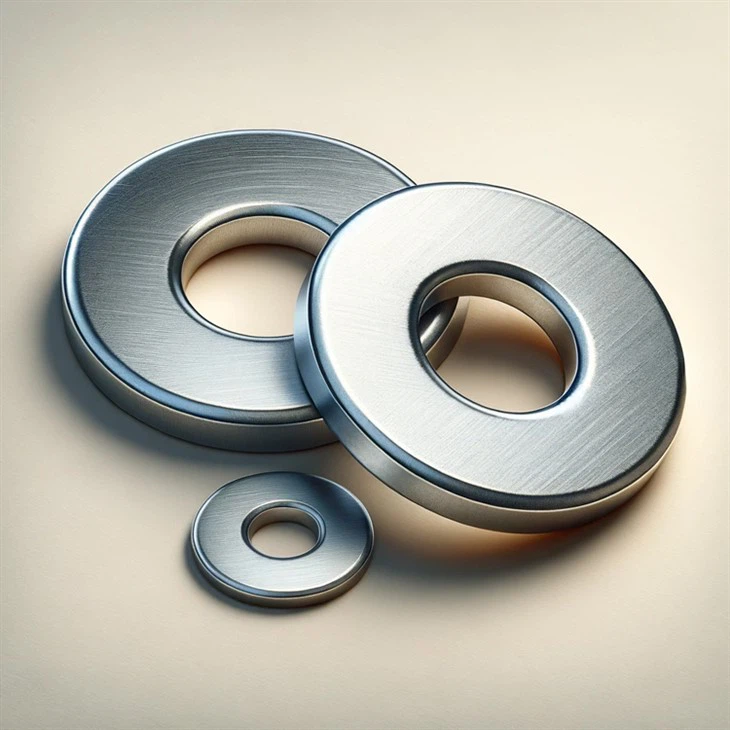
Before we dive into the sizes, let's quickly talk about what Type A Plain Washers are. Type A Plain Washers are flat, circular metal discs with a hole in the middle. They're used to distribute the load of a threaded fastener, like a bolt or a nut, over a larger area. This helps prevent damage to the surface being fastened and ensures a more secure connection. You can find more detailed information about Type A Plain Washers on our website Type A Plain Washers.
Standard Sizes of Type A Plain Washers
Type A Plain Washers come in a variety of standard sizes, which are typically defined by their inner diameter (ID), outer diameter (OD), and thickness. These sizes are standardized to ensure compatibility with different types of fasteners and applications.
Inner Diameter (ID)
The inner diameter of a Type A Plain Washer is the size of the hole in the middle. It's designed to fit snugly around the shaft of a bolt or screw. Common inner diameter sizes range from very small, like 1/16 inch, to larger sizes for heavy-duty applications. For example, in the metric system, you might find washers with inner diameters of 2mm, 3mm, 4mm, and so on. In the imperial system, sizes like 1/8 inch, 3/16 inch, and 1/4 inch are quite common.
The choice of inner diameter depends on the size of the fastener you're using. You want to make sure the washer fits properly on the fastener without being too loose or too tight. If the ID is too large, the washer won't provide the necessary support, and if it's too small, it won't fit at all.
Outer Diameter (OD)
The outer diameter of a Type A Plain Washer is the measurement across the outside of the washer. It's larger than the inner diameter, and the difference between the two creates the flat surface that distributes the load. Standard outer diameter sizes vary widely, depending on the inner diameter and the application.
For smaller inner diameter washers, the outer diameter might be just a fraction of an inch larger. For example, a washer with a 1/8 inch inner diameter might have an outer diameter of 3/16 inch. As the inner diameter increases, so does the outer diameter. Larger washers can have outer diameters of several inches, especially for industrial applications where heavy loads need to be distributed.
Thickness
The thickness of a Type A Plain Washer is another important factor. Thicker washers can handle more load and are often used in applications where there's a lot of stress or vibration. Thinner washers, on the other hand, are used when space is limited or when a lighter load needs to be distributed.
Common thicknesses range from very thin, like 0.010 inches, to thicker sizes for heavy-duty use. In the metric system, thicknesses might be specified in millimeters, such as 0.5mm, 1mm, or 2mm.
Why Standard Sizes Matter
You might be wondering why it's so important to have standard sizes for Type A Plain Washers. Well, there are a few reasons.
Compatibility
Standard sizes ensure that washers are compatible with different types of fasteners and applications. When you're working on a project, you can easily find a washer that fits the bolt or screw you're using. This saves time and reduces the risk of using the wrong size washer, which could lead to a weak or unstable connection.
Interchangeability
Because of standard sizes, washers from different manufacturers are often interchangeable. This means you can choose the best quality or most cost-effective washer for your needs, without having to worry about whether it will fit properly.
Safety
Using the correct size washer is crucial for safety. A washer that's too small might not distribute the load evenly, which could cause the fastener to loosen or the surface to be damaged. On the other hand, a washer that's too large might not fit properly and could also pose a safety risk.
Other Related Products
While Type A Plain Washers are very useful, there are other types of washers that you might also find helpful. One such type is the Regular Helical Spring-Lock Washer. These washers have a unique design that helps prevent nuts and bolts from loosening due to vibration. You can learn more about Regular Helical Spring-Lock Washers on our website Regular Helical Spring-Lock Washers.
How to Choose the Right Size
Now that you know about the standard sizes of Type A Plain Washers, how do you choose the right one for your project? Here are a few tips.
Consider the Fastener Size
The first step is to determine the size of the fastener you're using. Measure the diameter of the bolt or screw shaft, and then choose a washer with an inner diameter that matches or is slightly larger.
Think About the Load
Consider the amount of load that the washer will need to support. If you're working on a heavy-duty project, you'll want to choose a thicker washer with a larger outer diameter. For lighter loads, a thinner washer might be sufficient.
Check the Application
The application also plays a role in choosing the right size washer. For example, if you're working in a tight space, you might need a washer with a smaller outer diameter. If there's a lot of vibration, you might want to consider using a locking washer in addition to a Type A Plain Washer.
Conclusion
In conclusion, the standard sizes of Type A Plain Washers are an important aspect of these versatile components. By understanding the inner diameter, outer diameter, and thickness, you can choose the right washer for your project and ensure a secure and reliable connection. Whether you're a DIY enthusiast or a professional in the industry, having the right size washer can make all the difference.
If you're in the market for Type A Plain Washers or any other types of washers, I'd love to help you find the right products for your needs. Just reach out to us, and we can start a discussion about your requirements. We're here to provide you with high-quality washers at competitive prices.

References
- Machinery's Handbook, 31st Edition
- Fastener Standards published by ASTM International