




What are the factors that affect the performance of washers?
 Jul 11, 2025|
 Hey there! As a washer supplier, I've seen firsthand how various factors can influence the performance of washers. In this blog, I'm gonna break down the key elements that play a role in how well washers do their job.
Material Quality
One of the most significant factors affecting washer performance is the material they're made from. The right material can ensure durability, corrosion resistance, and proper functionality. For instance, stainless steel washers are a popular choice because they're highly resistant to rust and corrosion. This makes them ideal for outdoor applications or environments where moisture is present. On the other hand, brass washers are known for their excellent electrical conductivity, which makes them suitable for electrical applications.
The quality of the material also impacts the washer's strength. High - grade materials can withstand greater pressure and stress without deforming. For example, if you're using washers in a heavy - duty machinery setup, you'll need washers made from strong materials like alloy steel. These washers can handle the high loads and vibrations associated with such equipment. Using low - quality materials can lead to premature failure of the washers, which can cause problems in the overall system.
Design and Shape
The design and shape of a washer are crucial for its performance. Different types of washers are designed for specific purposes. Take the Regular Helical Spring - Lock Washers for example. These washers have a unique helical shape that provides a spring - like action. They're great for preventing nuts and bolts from loosening due to vibration. The spring force keeps the connection tight, ensuring the stability of the joint.
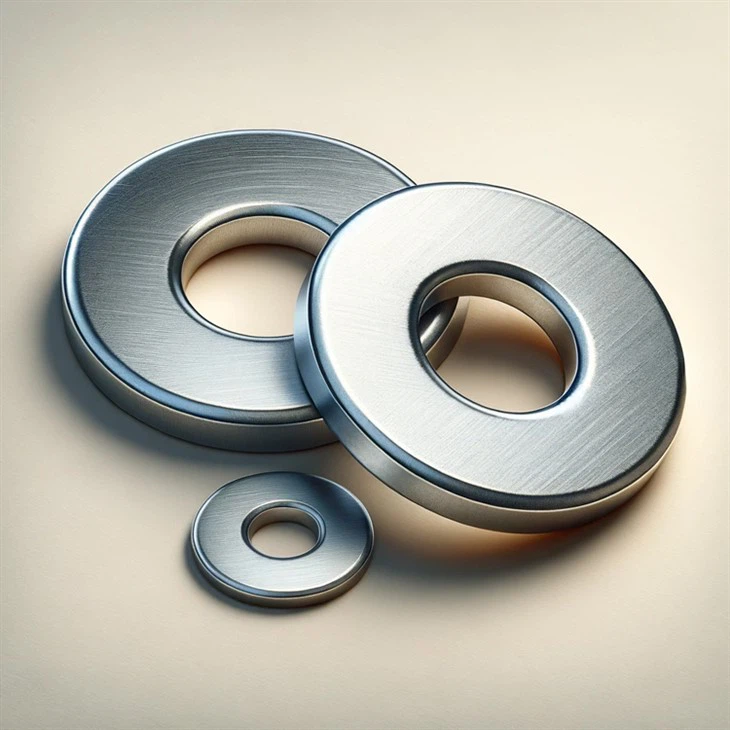
Type A Plain Washers are another common type. They have a simple, flat design and are mainly used to distribute the load of a fastener over a larger area. This helps prevent damage to the surface being fastened and also provides a more even distribution of pressure. A well - designed washer will fit properly on the fastener and the surface, ensuring optimal performance. If the washer is too small or too large, it may not function as intended, leading to issues like uneven load distribution or loosening of the fastener.
Size and Dimensions
Getting the right size and dimensions of a washer is essential. The inner diameter of the washer should match the diameter of the bolt or screw it's being used with. If the inner diameter is too large, the washer may move around freely, reducing its effectiveness in distributing the load. Conversely, if it's too small, it may not fit on the fastener at all.
The outer diameter of the washer also matters. A larger outer diameter can distribute the load over a wider area, which is beneficial in applications where a large amount of force is being applied. The thickness of the washer is another important dimension. Thicker washers are generally stronger and can handle more pressure, but they may not be suitable for all applications. For example, in some precision - engineered systems, thinner washers may be required to maintain the correct spacing and alignment.
Surface Finish
The surface finish of a washer can have a significant impact on its performance. A smooth surface finish can reduce friction between the washer and the fastener or the surface it's in contact with. This can make it easier to tighten the fastener and also prevent galling, which is the sticking and tearing of metal surfaces when they rub against each other.
Some washers have a special coating for added protection. For example, a zinc - plated finish can provide additional corrosion resistance, especially in outdoor or humid environments. A proper surface finish can also improve the aesthetic appearance of the washer, which may be important in some applications where the washers are visible.
Installation Conditions
How washers are installed can greatly affect their performance. If the washer is not installed correctly, it may not function as intended. For example, when installing a washer, it should be placed flat and centered on the fastener. If it's tilted or misaligned, it can cause uneven load distribution, which may lead to premature failure of the washer or the fastener.
The torque applied during installation is also crucial. If too little torque is applied, the fastener may not be tightened enough, and the washer may not be able to perform its load - distributing function effectively. On the other hand, if too much torque is applied, it can damage the washer or the fastener, leading to issues like cracking or deformation.
Environmental Factors
The environment in which the washers are used can have a major impact on their performance. In a corrosive environment, such as a chemical plant or near the ocean, washers need to be made from materials that can resist corrosion. Stainless steel or coated washers are often the best choice in these situations.
Temperature can also affect washer performance. Extreme heat or cold can cause the material of the washer to expand or contract, which may lead to changes in its dimensions and properties. For example, in high - temperature applications, the washer may lose its elasticity or strength, reducing its effectiveness in maintaining a tight connection.
Compatibility with Other Components
Washers need to be compatible with the other components in the system. They should work well with the fasteners, the surfaces they're in contact with, and any other parts of the assembly. For example, if the washer is too hard and the surface it's in contact with is soft, it may damage the surface. Similarly, if the washer and the fastener have different coefficients of thermal expansion, it can cause problems when the temperature changes.
In conclusion, there are many factors that affect the performance of washers. As a washer supplier, I understand the importance of considering all these aspects when choosing the right washer for an application. Whether it's the material quality, design, size, or installation conditions, every detail matters.
If you're in the market for high - quality washers and want to discuss your specific requirements, I'd love to have a chat. Just reach out, and we can start a conversation about how to find the perfect washers for your needs.

References
- Machinery's Handbook, 31st Edition
- Fastener Technology Handbook