




What are the DIY methods for making washers?
 Jul 24, 2025|
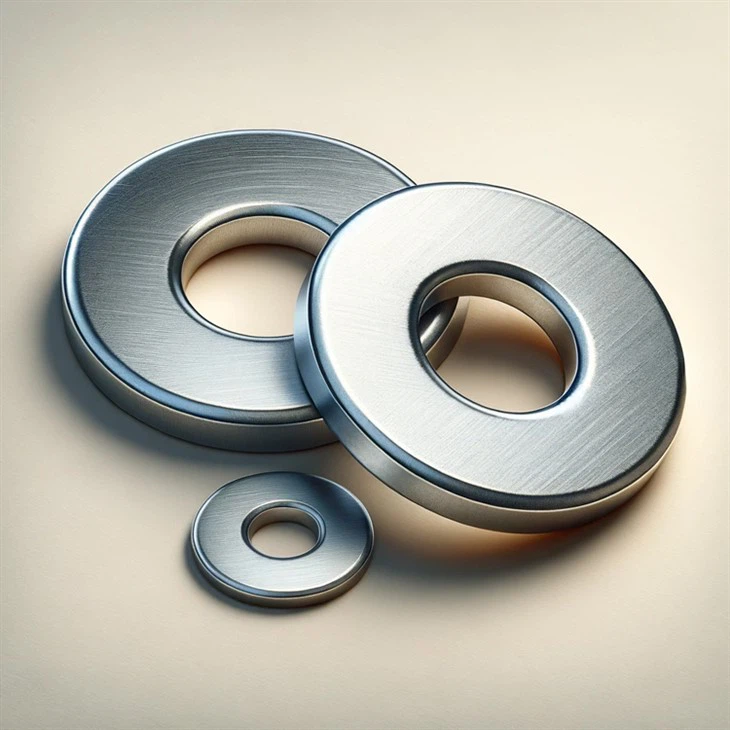
 DIY methods for making washers can be a rewarding and cost - effective way to meet specific needs, especially for small - scale projects or custom requirements. As a washers supplier, I understand the diverse demands of customers and the importance of having a basic knowledge of how washers can be made at home. This blog will explore several DIY methods for making washers, their pros and cons, and the tools and materials required.

Method 1: Using a Hole Punch
This is one of the simplest and most accessible DIY methods for making washers. It is suitable for creating small - sized washers with a relatively thin gauge.
Tools and Materials
- Hole Punch: You can use a standard office hole punch for thin materials like soft metals (such as aluminum or brass) or thick cardboard. For thicker materials, a heavy - duty hole punch designed for leather or metalworking may be required.
- Sheet Material: Select a sheet of the desired material. As mentioned, common choices include aluminum, brass, or cardboard. The thickness of the sheet will depend on the application of the washer. For example, if the washer is for a light - duty project, a thin sheet (around 0.5 - 1mm) may be sufficient.
- Measuring Tools: A ruler or caliper is essential for accurately marking the size of the washer. You need to measure both the outer diameter and the inner diameter of the washer you want to create.
Steps
- Measure and Mark: Use the measuring tools to mark the outer and inner diameters of the washer on the sheet material. You can use a pencil or a scribe for this purpose. Make sure the marks are clear and accurate.
- Punch the Inner Hole: Place the marked area of the sheet material under the hole punch. Align the punch with the center of the marked inner diameter. Apply pressure to the hole punch to create the inner hole. If the material is thick, you may need to use a mallet to strike the punch gently.
- Cut the Outer Diameter: After creating the inner hole, you can use a pair of sharp scissors or a metal - cutting saw to cut out the outer diameter of the washer. Try to follow the marked line as closely as possible. If using scissors, make small, precise cuts. If using a saw, use a fine - toothed blade for a clean cut.
- Finish the Washer: Once the washer is cut out, you can use a file or sandpaper to smooth the edges. This will remove any burrs or rough spots and make the washer more professional - looking.
Pros and Cons
- Pros: This method is very simple and requires minimal tools. It is also relatively quick and can be done at home without the need for expensive equipment.
- Cons: The size and thickness of the washers are limited by the capabilities of the hole punch. It may be difficult to create large - sized or thick washers using this method. Also, the accuracy of the cuts may not be as high as that achieved with more advanced methods.
Method 2: Turning on a Lathe
Turning washers on a lathe is a more advanced DIY method but can produce high - quality washers with precise dimensions.
Tools and Materials
- Lathe: A metal lathe is required for this method. You can use a small bench - top lathe for home use if you are making small - to medium - sized washers.
- Bar Stock: Select a bar of the appropriate material, such as steel, aluminum, or brass. The diameter of the bar should be larger than the outer diameter of the washer you want to create.
- Cutting Tools: You will need a variety of cutting tools, including turning tools, parting tools, and drills. The turning tools are used to shape the outer and inner diameters of the washer, the parting tool is used to separate the washer from the bar stock, and the drill is used to create the initial center hole.
- Measuring Tools: A caliper is essential for accurately measuring the dimensions of the washer during the turning process.
Steps
- Prepare the Bar Stock: Mount the bar stock in the lathe chuck. Make sure it is centered and securely clamped.
- Drill the Center Hole: Use a drill bit to create a center hole in the bar stock. The diameter of the drill bit should be the same as the inner diameter of the washer you want to create.
- Turn the Outer Diameter: Use the turning tool to shape the outer diameter of the washer. Slowly feed the turning tool into the bar stock while rotating the lathe. Continuously measure the outer diameter with the caliper to ensure it meets the desired specifications.
- Turn the Inner Diameter: Once the outer diameter is turned, use a smaller turning tool to shape the inner diameter of the washer. Again, measure the inner diameter regularly to ensure accuracy.
- Part the Washer: Use the parting tool to separate the washer from the bar stock. Move the parting tool slowly into the bar stock until the washer is completely separated.
- Finish the Washer: Remove the washer from the lathe and use a file or sandpaper to smooth the edges and remove any burrs.
Pros and Cons
- Pros: This method allows for high precision and the ability to create washers of various sizes and thicknesses. The quality of the washers produced is generally very high.
- Cons: It requires a lathe, which is an expensive and complex piece of equipment. You also need to have some skills in operating a lathe. Additionally, the process is more time - consuming compared to the hole - punch method.
Method 3: Waterjet Cutting
Waterjet cutting is a modern and versatile DIY method for making washers, especially for materials that are difficult to cut using traditional methods.
Tools and Materials
- Waterjet Cutter: A waterjet cutter is a machine that uses a high - pressure stream of water mixed with abrasive particles to cut through materials. You can either purchase a small - scale waterjet cutter for home use or outsource the cutting to a professional waterjet cutting service.
- Sheet Material: You can use a variety of materials, including metals, plastics, and composites. The thickness of the sheet material can vary depending on the capabilities of the waterjet cutter.
- CAD Software: Computer - Aided Design (CAD) software is used to create a digital design of the washer. You need to input the outer and inner diameters of the washer into the CAD software.
Steps
- Design the Washer: Use the CAD software to create a design of the washer. Specify the outer and inner diameters, as well as any other features or dimensions.
- Prepare the Sheet Material: Place the sheet material on the cutting bed of the waterjet cutter. Make sure it is flat and securely held in place.
- Import the Design: Import the CAD design of the washer into the waterjet cutter's control system. The control system will then use the design to guide the waterjet cutting process.
- Cut the Washer: Start the waterjet cutter. The high - pressure water stream will cut through the sheet material according to the design. The process is relatively fast and can produce clean and accurate cuts.
- Finish the Washer: After the washer is cut, remove it from the cutting bed. Use a file or sandpaper to smooth the edges if necessary.
Pros and Cons
- Pros: Waterjet cutting can cut through a wide range of materials with high precision. It can also cut complex shapes and patterns, making it suitable for custom - designed washers. The cuts are clean and do not produce heat - affected zones, which can be beneficial for certain materials.
- Cons: The waterjet cutter is an expensive piece of equipment, and the operating costs can be high. If you outsource the cutting, it can also be costly, especially for small - quantity orders.
Conclusion
There are several DIY methods for making washers, each with its own advantages and disadvantages. The hole - punch method is simple and accessible for small - scale projects, the lathe - turning method allows for high precision and the creation of various sizes, and the waterjet - cutting method is versatile and suitable for difficult - to - cut materials.
As a washers supplier, we offer a wide range of washers, including Regular Helical Spring - Lock Washers and Type A Plain Washers. If you have specific requirements for washers or are interested in purchasing our products, we invite you to contact us for further discussion and procurement negotiations. Our team of experts is ready to assist you in finding the best washer solutions for your needs.
References
- Machinery's Handbook, 31st Edition
- Introduction to Manufacturing Processes, 6th Edition