




How do washers prevent loosening?
 Sep 08, 2025|
 Washers are small yet crucial components in mechanical assemblies, playing a vital role in preventing the loosening of fasteners. As a washer supplier, I have witnessed firsthand the significance of these unassuming parts in ensuring the stability and reliability of various applications. In this blog, I will delve into the science behind how washers prevent loosening, explore different types of washers and their mechanisms, and highlight the importance of choosing the right washer for your specific needs.
The Problem of Fastener Loosening
Fasteners, such as bolts and nuts, are used to join two or more components together. However, over time, these fasteners can loosen due to various factors, including vibration, thermal expansion and contraction, and dynamic loading. When a fastener loosens, it can lead to a loss of preload, which is the initial tension applied to the fastener to hold the joint together. This loss of preload can compromise the integrity of the joint, resulting in reduced clamping force, increased stress on the fasteners, and potential failure of the assembly.
How Washers Prevent Loosening
Washers prevent loosening through several mechanisms, each designed to address specific causes of fastener loosening. The primary mechanisms include:
1. Distribution of Load
One of the main functions of a washer is to distribute the load evenly across the surface of the fastener and the joint. When a bolt or nut is tightened, the force is concentrated at the point of contact between the fastener and the joint. This concentrated force can cause the material to deform, leading to a loss of preload. By placing a washer between the fastener and the joint, the load is spread over a larger area, reducing the stress on the material and preventing deformation. This helps to maintain the preload and prevent loosening.
2. Friction
Friction is another important factor in preventing fastener loosening. Washers can increase the friction between the fastener and the joint, making it more difficult for the fastener to rotate and loosen. There are two types of friction that washers can utilize: static friction and dynamic friction.
- Static Friction: Static friction is the friction that exists between two surfaces when they are at rest. Washers with a rough surface or a serrated design can increase the static friction between the fastener and the joint, preventing the fastener from rotating.
- Dynamic Friction: Dynamic friction is the friction that exists between two surfaces when they are in motion. Some washers, such as spring washers, can provide a constant force against the fastener, increasing the dynamic friction and preventing the fastener from loosening due to vibration or other dynamic loads.
3. Elasticity
Elasticity is the ability of a material to deform under stress and return to its original shape when the stress is removed. Washers made of elastic materials, such as spring steel, can provide a spring-like action that helps to maintain the preload on the fastener. When the fastener is tightened, the washer is compressed, storing energy. As the fastener loosens, the washer expands, releasing the stored energy and applying a force against the fastener to keep it tight.
4. Locking Mechanisms
Some washers are designed with specific locking mechanisms to prevent loosening. These locking mechanisms can include teeth, serrations, or other features that grip the fastener and the joint, preventing rotation. Examples of washers with locking mechanisms include Type A Plain Washers and Regular Helical Spring-Lock Washers.
Types of Washers and Their Mechanisms
There are many different types of washers available, each with its own unique design and mechanism for preventing loosening. Some of the most common types of washers include:
1. Plain Washers
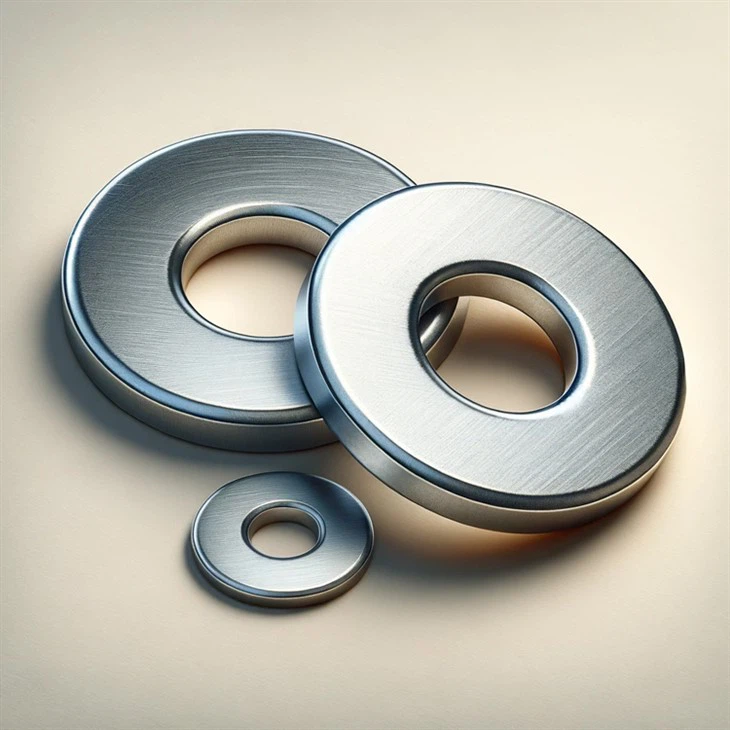
Plain washers are the simplest type of washer and are used primarily to distribute the load evenly across the surface of the fastener and the joint. They are typically made of metal or plastic and come in a variety of sizes and shapes. Plain washers can be used in a wide range of applications, including automotive, machinery, and construction.
2. Spring Washers
Spring washers are designed to provide a spring-like action that helps to maintain the preload on the fastener. They are typically made of spring steel and come in a variety of shapes, including helical, wave, and Belleville. Spring washers can be used in applications where vibration or dynamic loads are present, such as automotive engines, machinery, and electrical equipment.
3. Lock Washers
Lock washers are designed with specific locking mechanisms to prevent loosening. They are typically made of metal and come in a variety of shapes, including split, toothed, and serrated. Lock washers can be used in applications where high levels of vibration or dynamic loads are present, such as automotive engines, machinery, and aerospace.
4. Flat Washers
Flat washers are similar to plain washers, but they have a flat surface instead of a curved surface. They are typically used in applications where a flat surface is required, such as in electrical connections or where a gasket is used.
5. Shoulder Washers
Shoulder washers are designed to provide a precise spacing between two components. They are typically made of metal and have a shoulder or a step on one end. Shoulder washers can be used in applications where a precise fit is required, such as in machinery or automotive engines.
Choosing the Right Washer
Choosing the right washer for your specific application is crucial to ensuring the stability and reliability of your assembly. When selecting a washer, you should consider the following factors:
1. Load Requirements
The load requirements of your application will determine the size and type of washer you need. You should choose a washer that can withstand the load without deforming or breaking.
2. Material Compatibility
The material of the washer should be compatible with the material of the fastener and the joint. You should choose a washer that is made of a material that is resistant to corrosion and can withstand the environmental conditions of your application.

3. Friction Requirements
The friction requirements of your application will determine the type of washer you need. If you need to increase the friction between the fastener and the joint, you should choose a washer with a rough surface or a serrated design.
4. Locking Requirements
If you need to prevent the fastener from loosening due to vibration or dynamic loads, you should choose a washer with a locking mechanism, such as a split washer or a toothed washer.
5. Size and Shape
The size and shape of the washer should be compatible with the size and shape of the fastener and the joint. You should choose a washer that is the correct size and shape to fit your application.
Conclusion
Washers are small yet essential components in mechanical assemblies, playing a crucial role in preventing fastener loosening and ensuring the stability and reliability of various applications. By understanding the science behind how washers prevent loosening and choosing the right washer for your specific needs, you can ensure the long-term performance of your assembly.
As a washer supplier, I am committed to providing high-quality washers that meet the needs of my customers. If you have any questions about washers or need help choosing the right washer for your application, please feel free to contact me. I would be happy to assist you in finding the perfect solution for your needs.
References
- Budynas, R. G., & Nisbett, J. K. (2011). Shigley's Mechanical Engineering Design. McGraw-Hill.
- Juvinall, R. C., & Marshek, K. M. (2011). Fundamentals of Machine Component Design. Wiley.
- Spotts, M. F., Shoup, T. E., & Tuma, J. M. (2011). Design of Machine Elements. Prentice Hall.