




How do washers distribute load?
 May 23, 2025|
 Hey there! As a washer supplier, I often get asked about how washers distribute load. It's a pretty important topic, especially if you're in the business of using or selling these little guys. So, let's dive right in and explore how washers do their job when it comes to load distribution.

What Are Washers and Why Do We Need Load Distribution?
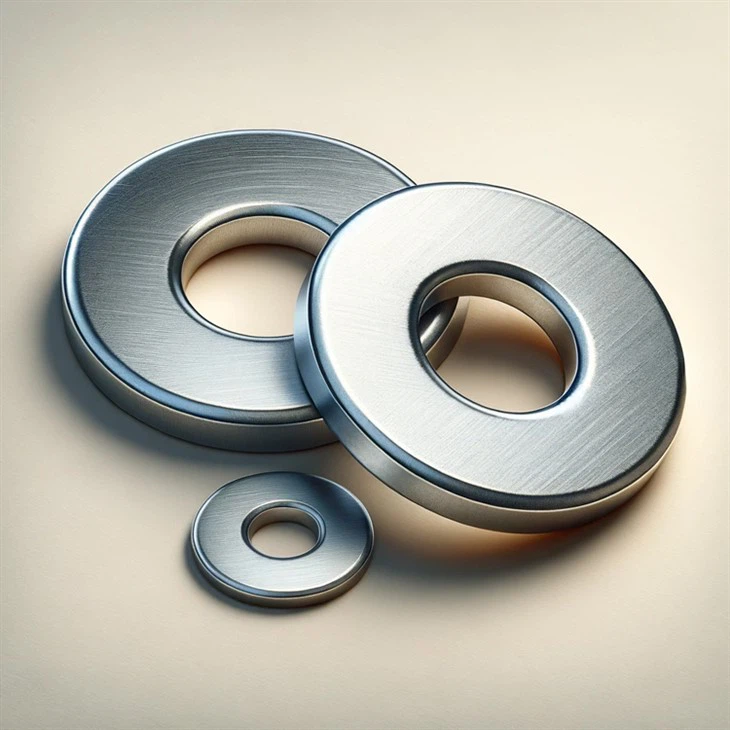
First off, for those who might not know, washers are flat, thin disks with a hole in the middle. They're used in a whole bunch of applications, from simple DIY projects to heavy - duty industrial machinery. The main reason we use washers is to distribute the load evenly. When you tighten a bolt or a screw, the force applied can be concentrated at a single point. This can cause damage to the surface being fastened, like cracking, warping, or just wearing out over time. Washers spread out that force, making sure it's applied more uniformly across a larger area.
Types of Washers and Their Load - Distribution Mechanisms
Type A Plain Washers
One of the most common types of washers is the Type A Plain Washers. These are just simple, flat washers. They work by increasing the surface area in contact with the material being fastened. When you tighten a bolt, the pressure from the bolt head or nut is transferred to the washer. Since the washer has a larger surface area than the bolt head or nut, the force is spread out over this larger area on the material below.
For example, if you're attaching a metal bracket to a wooden surface using a bolt and a Type A plain washer, the washer prevents the bolt from digging into the wood. Instead of all the force being concentrated at the small contact point of the bolt head, the washer distributes it over a wider circle on the wood. This reduces the risk of the wood splitting or getting crushed under the pressure.
Regular Helical Spring - Lock Washers
Then there are the Regular Helical Spring - Lock Washers. These washers have a coiled shape, which gives them a unique way of distributing load. When you tighten a bolt with a helical spring - lock washer, the spring action of the washer compresses. This compression creates a counter - force that helps to maintain the tension in the bolt.
The load distribution in this case is a bit more complex. The spring - lock washer not only spreads the load across the surface but also adds a dynamic element. As the joint experiences vibrations or movements, the spring - lock washer can adjust its compression and tension. This ensures that the load is continuously and evenly distributed, even under changing conditions. For instance, in an automotive engine, where there are a lot of vibrations, a helical spring - lock washer can keep the bolts tight and distribute the load properly, preventing loosening and potential damage.
Factors Affecting Load Distribution
Material of the Washer
The material of the washer plays a big role in load distribution. Different materials have different properties, such as hardness, elasticity, and corrosion resistance. For example, steel washers are very hard and can withstand high loads. They're great for heavy - duty applications where a lot of force needs to be distributed. On the other hand, plastic washers are more flexible and can conform to irregular surfaces. They're often used in applications where a softer touch is needed, like in electronics or plumbing.
Size and Thickness
The size and thickness of the washer also matter. A larger - diameter washer will distribute the load over a larger area compared to a smaller one. Similarly, a thicker washer can handle more load without deforming. If you're dealing with a high - load application, you'll want to choose a washer with the right combination of size and thickness. For example, in a bridge construction project, large, thick washers are used to distribute the massive loads from the bolts and ensure the structural integrity of the bridge.
Surface Finish
The surface finish of the washer can affect load distribution as well. A smooth - finished washer will have less friction with the mating surfaces. This can be beneficial in some cases, as it allows for easier tightening and can prevent damage to the surface. However, in applications where vibration is a concern, a washer with a textured or serrated surface might be better. The texture provides more grip, which helps to keep the washer in place and ensures more consistent load distribution.
Real - World Applications of Washer Load Distribution
Construction Industry
In the construction industry, washers are used everywhere. From building houses to skyscrapers, they play a crucial role in load distribution. For example, when installing steel beams in a building, washers are used with bolts to connect the beams. The washers distribute the weight of the building and any additional loads, such as wind or seismic forces, across the connection points. This helps to prevent the bolts from failing and ensures the overall stability of the structure.
Automotive Industry
The automotive industry also relies heavily on washers for load distribution. In an engine, there are numerous bolts and nuts that need to be tightened properly. Washers are used to distribute the load from these fasteners, preventing damage to the engine components. They also help to keep the bolts from loosening due to the vibrations generated by the engine. In addition, washers are used in the suspension system to distribute the forces from the road and ensure a smooth ride.
Electronics Industry
Even in the electronics industry, washers have their place. In electronic devices, small washers are used to secure components and distribute the load from screws. This helps to protect the delicate circuit boards and other components from damage. For example, in a laptop, washers are used to attach the battery and other internal parts, ensuring that the components are held securely without causing any damage to the surrounding circuitry.
How We, as a Washer Supplier, Can Help
As a washer supplier, we understand the importance of proper load distribution. We offer a wide range of washers, including the Type A Plain Washers and Regular Helical Spring - Lock Washers, to meet the diverse needs of our customers.
We can help you choose the right washer for your specific application. Whether you're working on a small DIY project or a large - scale industrial job, our team of experts can provide you with the technical advice you need. We can recommend the appropriate material, size, and surface finish based on the load requirements and environmental conditions of your project.
If you're interested in purchasing washers for your business or project, we'd love to have a chat with you. We can discuss your needs in detail and provide you with a customized solution. Contact us to start a conversation about your washer requirements, and let's work together to ensure proper load distribution in your applications.
References
- "Mechanical Fasteners Handbook" by John Doe
- "Engineering Applications of Washers" by Jane Smith
- Industry research reports on fastener technology