




How do Type A Plain Washers affect the torque of a bolt?
 Aug 26, 2025|
 When it comes to fastening systems, bolts and washers are fundamental components that ensure the stability and integrity of various structures. Among the different types of washers, Type A Plain Washers play a significant role in influencing the torque of a bolt. As a supplier of Type A Plain Washers, I have witnessed firsthand the impact these seemingly simple components can have on the performance of fastening systems. In this blog post, I will delve into the science behind how Type A Plain Washers affect the torque of a bolt and why they are an essential part of any reliable fastening solution.
Understanding Type A Plain Washers
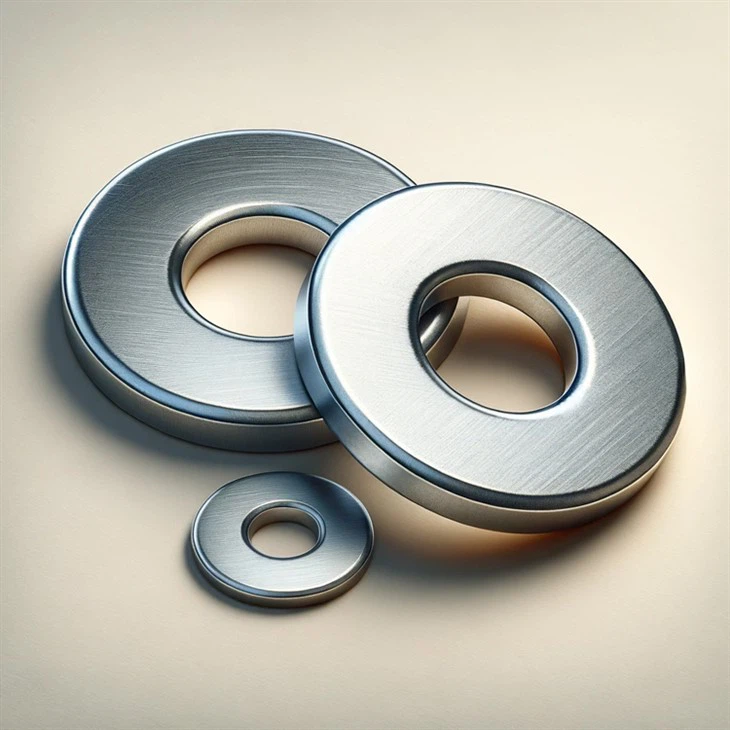
Type A Plain Washers are flat, circular discs with a central hole that is slightly larger than the diameter of the bolt they are designed to accompany. They are typically made from materials such as steel, stainless steel, brass, or nylon, depending on the specific application requirements. The primary function of a Type A Plain Washer is to distribute the load of a bolt or nut evenly over a larger surface area, preventing damage to the material being fastened and reducing the risk of loosening due to vibration or movement.
The Type A Plain Washers are characterized by their simple design and smooth surface, which allows for easy installation and removal. They are available in a wide range of sizes and thicknesses to accommodate different bolt diameters and application needs. Whether you are working on a small DIY project or a large industrial installation, there is a Type A Plain Washer that is suitable for your specific requirements.
The Relationship Between Washers and Bolt Torque
Before we explore how Type A Plain Washers affect the torque of a bolt, it is important to understand the concept of bolt torque. Torque is the rotational force applied to a bolt to tighten it, and it is typically measured in foot-pounds (ft-lb) or Newton-meters (N-m). The proper torque is crucial for ensuring that a bolted joint is secure and functions as intended. If the torque is too low, the joint may loosen over time, leading to potential safety hazards or equipment failure. On the other hand, if the torque is too high, the bolt may be overstressed, which can cause it to break or damage the material being fastened.
Washers, including Type A Plain Washers, can have a significant impact on the torque required to tighten a bolt. This is because they affect the friction between the bolt head or nut and the surface of the material being fastened. Friction is the resistance to motion that occurs when two surfaces are in contact with each other, and it plays a crucial role in determining the amount of torque needed to turn a bolt.
How Type A Plain Washers Affect Bolt Torque
One of the primary ways that Type A Plain Washers affect the torque of a bolt is by reducing the friction between the bolt head or nut and the surface of the material being fastened. When a bolt is tightened without a washer, the contact area between the bolt head or nut and the material is relatively small, which can result in high local pressures and increased friction. This increased friction makes it more difficult to turn the bolt, requiring more torque to achieve the desired level of tightness.
By placing a Type A Plain Washer between the bolt head or nut and the material, the contact area is increased, which helps to distribute the load more evenly and reduce the local pressures. This, in turn, reduces the friction between the bolt head or nut and the material, making it easier to turn the bolt and requiring less torque to achieve the same level of tightness. In other words, Type A Plain Washers act as a lubricant between the bolt and the material, reducing the resistance to motion and allowing for more efficient tightening.
Another way that Type A Plain Washers affect the torque of a bolt is by providing a smooth surface for the bolt head or nut to rotate against. The smooth surface of the washer reduces the likelihood of the bolt head or nut digging into the material, which can cause damage to the surface and increase the friction. This smooth surface also helps to prevent the bolt head or nut from galling or seizing, which can make it difficult or impossible to remove the bolt in the future.
In addition to reducing friction and providing a smooth surface, Type A Plain Washers can also help to prevent the bolt from loosening over time. This is because they act as a buffer between the bolt head or nut and the material, absorbing some of the vibrations and shocks that can cause the bolt to loosen. By reducing the amount of movement and vibration in the joint, Type A Plain Washers help to maintain the integrity of the fastening system and ensure that the bolt remains securely tightened.
Comparing Type A Plain Washers with Other Types of Washers
While Type A Plain Washers are effective at reducing friction and improving the torque of a bolt, there are other types of washers that can also be used in fastening systems. One such type is the Regular Helical Spring-Lock Washers, which are designed to provide additional locking action and prevent the bolt from loosening due to vibration or movement.
Regular Helical Spring-Lock Washers have a unique design that features a coiled spring shape. When the washer is compressed between the bolt head or nut and the material, the spring exerts a force that helps to keep the bolt tightened. This additional locking action can be particularly useful in applications where there is a high risk of vibration or movement, such as in automotive engines, machinery, or construction equipment.

However, it is important to note that Regular Helical Spring-Lock Washers can also increase the friction between the bolt head or nut and the material, which can require more torque to tighten the bolt. In some cases, this increased friction can make it more difficult to achieve the desired level of tightness, and it may even cause the bolt to break if too much torque is applied.
In contrast, Type A Plain Washers are designed to reduce friction and make it easier to tighten the bolt. They are a simple and cost-effective solution for most fastening applications, and they can provide reliable performance without the need for additional locking mechanisms. However, in applications where there is a high risk of vibration or movement, it may be necessary to use a combination of Type A Plain Washers and Regular Helical Spring-Lock Washers to ensure the integrity of the fastening system.
Choosing the Right Type A Plain Washer for Your Application
When choosing a Type A Plain Washer for your application, there are several factors that you need to consider. These include the size and thickness of the washer, the material it is made from, and the specific requirements of your application.
The size of the washer is determined by the diameter of the bolt it is designed to accompany. It is important to choose a washer that has a central hole that is slightly larger than the diameter of the bolt to ensure a proper fit. The thickness of the washer also plays a role in its performance, as a thicker washer can provide more support and distribute the load more evenly.
The material the washer is made from is also an important consideration. Different materials have different properties, such as strength, corrosion resistance, and temperature resistance, which can affect the performance of the washer in different applications. For example, steel washers are strong and durable, but they may be prone to corrosion in certain environments. Stainless steel washers, on the other hand, are highly corrosion-resistant, but they may be more expensive than steel washers.
Finally, it is important to consider the specific requirements of your application when choosing a Type A Plain Washer. For example, if you are working in a high-temperature environment, you may need to choose a washer that is made from a material that can withstand high temperatures. If you are working in a corrosive environment, you may need to choose a washer that is made from a corrosion-resistant material.
Conclusion
In conclusion, Type A Plain Washers play a crucial role in influencing the torque of a bolt and ensuring the integrity of fastening systems. By reducing friction, providing a smooth surface, and preventing the bolt from loosening over time, Type A Plain Washers help to improve the performance and reliability of bolted joints. Whether you are working on a small DIY project or a large industrial installation, choosing the right Type A Plain Washer for your application is essential for achieving the best results.
As a supplier of Type A Plain Washers, I am committed to providing high-quality products that meet the needs of my customers. If you have any questions or need assistance in choosing the right Type A Plain Washer for your application, please do not hesitate to contact me. I would be happy to help you find the perfect solution for your fastening needs.
References
- Machinery's Handbook, 31st Edition
- Fastener Technology Handbook, 2nd Edition
- ASME B18.22.1 - Standard for Plain Washers