




How do I store washers properly?
 Dec 15, 2025|
 Hey there! As a washer supplier, I've seen firsthand the importance of proper washer storage. Washers may seem like small, insignificant parts, but they play a crucial role in countless applications. Whether you're a DIY enthusiast, a professional mechanic, or a large-scale manufacturer, storing your washers correctly can save you time, money, and headaches in the long run. In this blog post, I'll share some tips and best practices on how to store washers properly.
Why Proper Storage Matters
Before we dive into the storage methods, let's take a moment to understand why proper storage is so important. Washers are typically made of metal, which means they are susceptible to corrosion and rust. Exposure to moisture, humidity, and oxygen can cause the metal to oxidize, leading to a weakened structure and reduced performance. Additionally, improper storage can result in washers becoming lost, damaged, or mixed up, making it difficult to find the right washer when you need it.

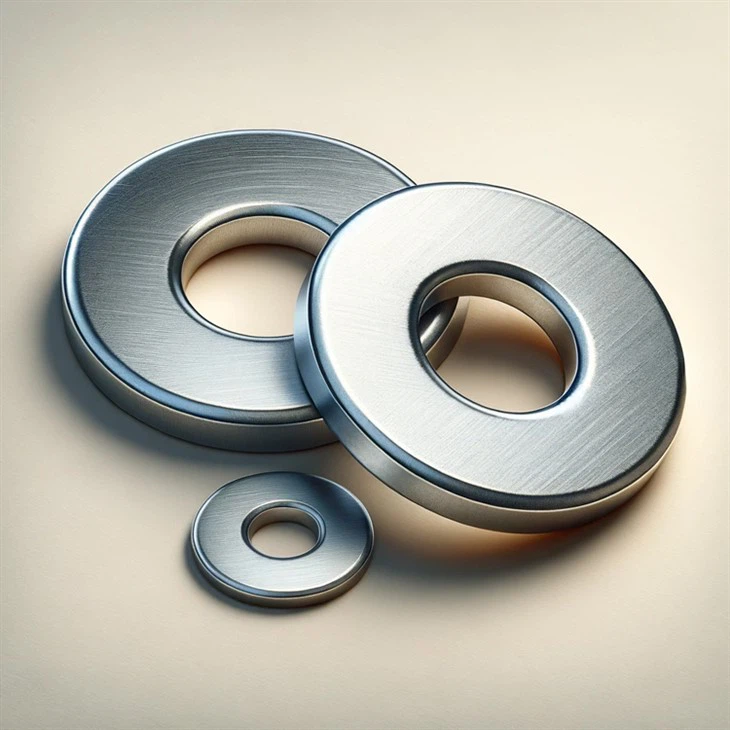
By storing your washers properly, you can extend their lifespan, maintain their quality, and ensure that they are readily available when you need them. This not only saves you money on replacement parts but also helps you avoid costly downtime and delays in your projects.
Choose the Right Storage Containers
The first step in proper washer storage is choosing the right containers. There are several options available, each with its own advantages and disadvantages. Here are some common types of storage containers for washers:
- Plastic Bins: Plastic bins are a popular choice for storing washers because they are affordable, durable, and come in a variety of sizes. They are also easy to label, making it easy to organize your washers by size, type, or application. Look for bins with tight-fitting lids to prevent moisture and dust from getting inside.
- Cardboard Boxes: Cardboard boxes are another option for storing washers, especially if you have a large quantity of them. They are inexpensive and can be easily customized to fit your needs. However, cardboard boxes are not as durable as plastic bins and are more susceptible to damage from moisture and pests.
- Storage Drawers: Storage drawers are a great option for organizing your washers by size or type. They are typically made of metal or plastic and come in a variety of sizes and configurations. Look for drawers with adjustable dividers to create custom compartments for your washers.
- Toolboxes: Toolboxes are a convenient way to store your washers along with your other tools. They are typically made of metal or plastic and come in a variety of sizes and styles. Look for toolboxes with multiple compartments and drawers to keep your washers organized and easily accessible.
Organize Your Washers
Once you have chosen the right storage containers, the next step is to organize your washers. Here are some tips on how to organize your washers effectively:
- Sort by Size: One of the most common ways to organize washers is by size. This makes it easy to find the right washer when you need it. You can use a ruler or caliper to measure the diameter and thickness of your washers and group them together accordingly.
- Sort by Type: Another way to organize washers is by type. There are several different types of washers, including flat washers, lock washers, and spring washers. Each type of washer has its own unique properties and applications, so it's important to keep them separate.
- Label Your Containers: To make it easy to find the right washer, label your storage containers with the size, type, and quantity of washers inside. You can use a permanent marker or label maker to create clear and legible labels.
- Use Dividers: If you are using a storage container with multiple compartments, use dividers to separate your washers by size or type. This will help prevent them from getting mixed up and make it easier to find the right washer when you need it.
Protect Your Washers from Corrosion
As I mentioned earlier, washers are susceptible to corrosion and rust. To protect your washers from corrosion, it's important to store them in a dry, cool, and well-ventilated area. Here are some additional tips on how to protect your washers from corrosion:
- Use Desiccants: Desiccants are substances that absorb moisture from the air. You can place desiccants in your storage containers to help keep your washers dry. Silica gel packets are a common type of desiccant that can be found in many products, such as shoes, electronics, and food packages.
- Apply a Protective Coating: If you have washers that are particularly susceptible to corrosion, you can apply a protective coating to them. There are several different types of protective coatings available, including paint, oil, and wax. Make sure to choose a coating that is compatible with the material of your washers.
- Avoid Contact with Moisture: Moisture is the main cause of corrosion, so it's important to avoid contact with water or other liquids. If your washers get wet, dry them thoroughly before storing them. You can also use a dehumidifier to reduce the humidity in your storage area.
Store Your Washers in a Safe Place
Finally, it's important to store your washers in a safe place. Here are some tips on how to store your washers safely:
- Keep Them Out of Reach of Children and Pets: Washers are small and can be a choking hazard for children and pets. Make sure to store your washers in a place where they are out of reach of children and pets.
- Avoid Exposure to Heat and Sunlight: Heat and sunlight can cause the metal in your washers to expand and contract, which can lead to damage. Make sure to store your washers in a cool, dark place away from direct sunlight.
- Secure Your Storage Containers: If you are storing your washers in a storage container, make sure to secure it properly. This will help prevent the container from tipping over and spilling your washers.
Conclusion
Proper washer storage is essential for maintaining the quality and performance of your washers. By choosing the right storage containers, organizing your washers effectively, protecting them from corrosion, and storing them in a safe place, you can extend their lifespan and ensure that they are readily available when you need them.
If you're in the market for high-quality washers, we've got you covered. We offer a wide range of washers, including Regular Helical Spring-Lock Washers and Type A Plain Washers. Our washers are made from the finest materials and are designed to meet the highest standards of quality and performance.
If you have any questions or would like to discuss your washer needs, please don't hesitate to reach out. We're here to help you find the right washers for your application and ensure that you have a positive purchasing experience.
References
- "How to Store Small Parts." The Family Handyman, https://www.familyhandyman.com/article/how-to-store-small-parts/.
- "Tips for Storing Hardware." This Old House, https://www.thisoldhouse.com/ideas/tips-storing-hardware.
- "Preventing Corrosion in Metal Parts." Engineering.com, https://www.engineering.com/story/preventing-corrosion-in-metal-parts.