




How do I select washers for a high - pressure application?
 Nov 13, 2025|
 Selecting the right washers for high - pressure applications is a critical task that requires a deep understanding of both the washers' properties and the specific demands of the application. As a washers supplier, I've encountered numerous customers facing challenges in this area. In this blog, I'll share some key considerations and guidelines to help you make an informed decision.
Understanding High - Pressure Applications
High - pressure applications typically involve environments where components are subjected to significant forces. These forces can come from hydraulic systems, mechanical presses, or other machinery. In such applications, washers play a vital role in distributing the load, preventing damage to the mating surfaces, and ensuring the overall stability and safety of the system.
The first step in selecting washers for high - pressure applications is to understand the nature of the pressure. Is it static pressure, which remains constant over time, or dynamic pressure, which fluctuates? Dynamic pressure can cause additional stress on the washers due to vibrations and changes in force direction. For example, in a hydraulic cylinder, the pressure can change rapidly as the piston moves, requiring washers that can withstand these dynamic forces.
Material Selection
The material of the washer is one of the most important factors in high - pressure applications. Different materials have different properties, such as strength, hardness, corrosion resistance, and elasticity.
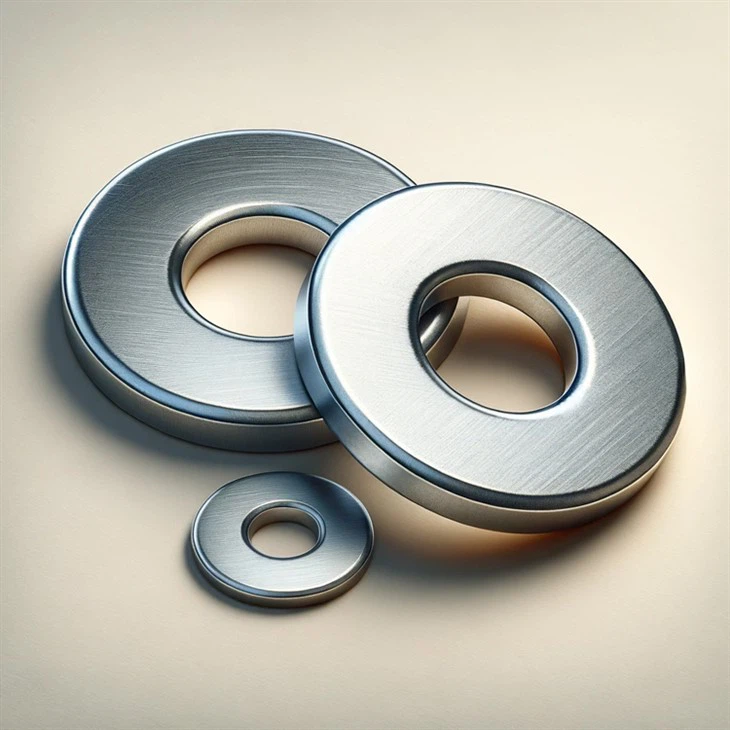

- Metallic Washers:
- Steel Washers: Steel is a popular choice for high - pressure applications due to its high strength and durability. Carbon steel washers are cost - effective and can handle moderate to high pressures. Alloy steel washers, on the other hand, offer enhanced properties such as better corrosion resistance and higher strength. For example, stainless steel washers are often used in applications where corrosion is a concern, such as in marine or chemical environments.
- Brass Washers: Brass washers are known for their good corrosion resistance and electrical conductivity. They are suitable for applications where a softer material is required to prevent damage to the mating surfaces. However, their strength is generally lower than that of steel washers, so they are more suitable for lower - to - moderate pressure applications.
- Non - metallic Washers:
- Plastic Washers: Plastic washers, such as nylon or PTFE (Teflon), are lightweight and have good chemical resistance. They are often used in applications where electrical insulation or low friction is required. However, their strength is limited, and they are not suitable for extremely high - pressure applications.
- Fiber Washers: Fiber washers are made from materials such as asbestos (although asbestos is now restricted due to health concerns) or synthetic fibers. They are commonly used in applications where a gasket - like function is required, such as in plumbing or automotive engines.
Washer Design and Geometry
The design and geometry of the washer also have a significant impact on its performance in high - pressure applications.
- Thickness: A thicker washer can generally withstand higher pressures. However, increasing the thickness also increases the cost and may not always be necessary. The thickness should be selected based on the specific pressure requirements and the size of the fastener.
- Diameter: The outer diameter of the washer affects the load - distribution area. A larger outer diameter can distribute the load over a wider area, reducing the pressure on the mating surfaces. However, it's important to ensure that the washer fits properly within the available space.
- Shape: There are various shapes of washers available, including flat washers, spring washers, and lock washers.
- Flat Washers: Flat washers, such as Type A Plain Washers, are the most common type. They are used to distribute the load evenly and protect the mating surfaces. They are suitable for both static and dynamic pressure applications.
- Spring Washers: Spring washers, such as Regular Helical Spring - Lock Washers, are designed to provide a spring force that helps to maintain the pre - load on the fastener. They are particularly useful in applications where vibrations or dynamic forces may cause the fastener to loosen.
- Lock Washers: Lock washers are used to prevent the fastener from loosening due to vibrations or rotation. They work by creating a locking action between the washer and the fastener or the mating surface.
Compatibility with Fasteners and Mating Surfaces
It's crucial to ensure that the washers are compatible with the fasteners and the mating surfaces.
- Fastener Size: The inner diameter of the washer should match the diameter of the fastener. A washer with an inner diameter that is too small may not fit over the fastener, while a washer with an inner diameter that is too large may not provide proper support.
- Mating Surface Material: The washer material should be compatible with the material of the mating surface. For example, if the mating surface is made of a soft material, a hard washer may cause damage. In such cases, a softer washer material or a washer with a coating can be used to prevent damage.
Testing and Certification
In high - pressure applications, it's important to ensure that the washers meet the required standards and specifications. Look for washers that have been tested and certified by recognized organizations. Testing can include strength testing, corrosion resistance testing, and fatigue testing. Certifications can provide assurance that the washers have been manufactured to a high quality and can perform reliably in high - pressure environments.
Cost Considerations
Cost is always a factor in any purchasing decision. While it's important to select high - quality washers for high - pressure applications, it's also necessary to balance the cost with the performance requirements. Consider the long - term cost, including the cost of maintenance and replacement. Sometimes, investing in a more expensive but higher - quality washer can save money in the long run by reducing the risk of failures and downtime.
Conclusion
Selecting the right washers for high - pressure applications is a complex process that requires careful consideration of various factors, including the nature of the pressure, material properties, design and geometry, compatibility, testing, and cost. As a washers supplier, I'm here to help you navigate these considerations and find the best washers for your specific application. If you have any questions or need further assistance in selecting washers for your high - pressure application, please don't hesitate to contact me for a detailed discussion and procurement negotiation.
References
- "Mechanical Design Handbook" by Joseph Edward Shigley
- "Fasteners and Fixings Handbook" by Alan Hudd