




How do I remove old washers?
 Jul 16, 2025|
 Hey there! I'm a supplier of all kinds of washers, and I've seen my fair share of old, worn - out washers that need to be removed. In this blog, I'm gonna share with you some tips on how to remove old washers effectively.
First off, let's talk about why you might need to remove old washers. Maybe they're rusted, or they've lost their elasticity over time, which can cause issues like leaks in plumbing or loose connections in machinery. Whatever the reason, getting them out is the first step to a proper fix.
Tools You'll Need
Before you start the removal process, it's important to gather the right tools. You'll usually need a few basic things:
- Screwdriver: A flat - head or Phillips - head screwdriver, depending on the type of fasteners holding the washer in place.
- Pliers: They come in handy for gripping and pulling out stubborn washers.
- Wrench: If the washer is part of a bolt - and - nut setup, a wrench will be essential for loosening the nut.
Different Types of Washers and Removal Methods
1. Flat Washers
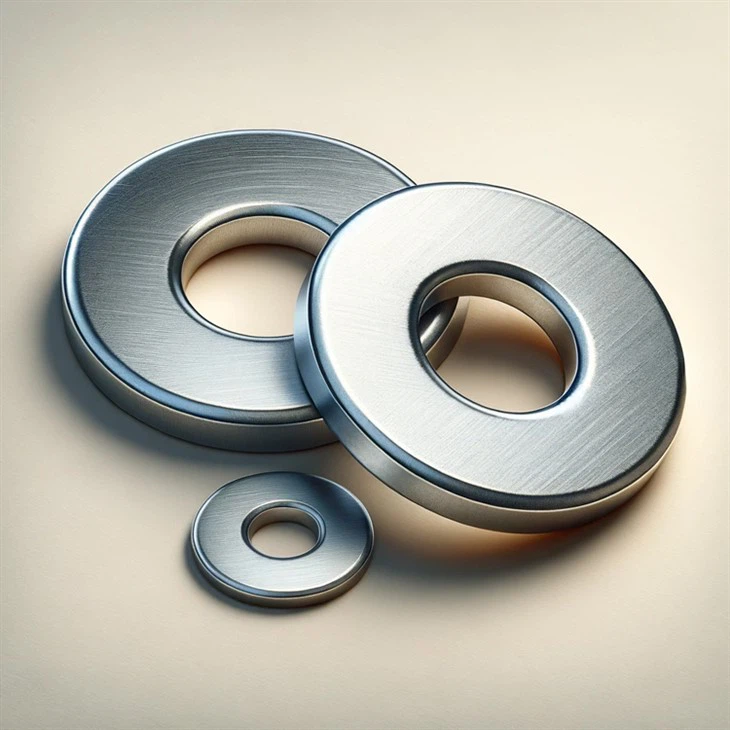
Flat washers, like the Type A Plain Washers, are the most common type. They're usually used to distribute the load of a fastener. Removing them is relatively straightforward.
If the washer is on a bolt, first use a wrench to loosen the nut. Once the nut is loose enough, you can slide the washer off the bolt. If the washer is stuck due to rust or debris, you can try spraying some penetrating oil around the bolt and letting it sit for a few minutes. This will help loosen the rust and make it easier to remove the washer.
2. Spring Washers
Spring washers, such as Regular Helical Spring - Lock Washers, are designed to provide tension and prevent nuts from loosening. Removing them can be a bit trickier.
When dealing with a spring washer on a bolt, start by loosening the nut with a wrench. As you turn the nut, the spring washer will start to unwind. Once the nut is off, you can use pliers to carefully pull the spring washer out. Be careful not to let it snap back and hurt you.
3. Lock Washers
Lock washers are used to prevent fasteners from coming loose under vibration. There are different types of lock washers, like split lock washers and toothed lock washers.
For split lock washers, use a screwdriver or pliers to pry the split open slightly. Then, slide the washer off the bolt. Toothed lock washers can be a bit more difficult. You may need to use a pair of pliers to grip the washer firmly and twist it off the bolt.
Dealing with Stubborn Washers
Sometimes, old washers can be really stubborn and refuse to come out. Here are some extra steps you can take:
- Heat: If the washer is made of metal and is stuck due to rust, you can use a heat gun to gently heat the area around the washer. The metal will expand, which may loosen the washer. Just be careful not to overheat the surrounding materials.
- Sandpaper: If there's a lot of rust or debris on the washer, you can use sandpaper to remove it. This will make it easier to grip the washer and pull it out.
Safety Precautions
Removing old washers can be a bit dangerous, so it's important to take some safety precautions:
- Wear Gloves: This will protect your hands from sharp edges, rust, and any chemicals you might use, like penetrating oil.
- Eye Protection: There's a risk of small pieces of rust or debris flying into your eyes, so wear safety glasses.
- Work in a Well - Ventilated Area: If you're using penetrating oil or a heat gun, make sure there's plenty of fresh air.
Conclusion
Removing old washers isn't always easy, but with the right tools and techniques, you can get the job done. Whether you're a DIY enthusiast or a professional mechanic, knowing how to remove old washers is a valuable skill.
If you're in the market for new washers, we've got a wide range of high - quality products. We can provide you with all types of washers to meet your specific needs. Whether it's for plumbing, automotive, or industrial applications, we've got you covered. So, if you're interested in purchasing washers or have any questions, feel free to reach out for a procurement discussion.

References
- General knowledge from years of experience as a washer supplier.
- Industry best practices for washer removal.