




How do I protect washers from corrosion?
 Oct 17, 2025|
 As a dedicated washer supplier, I understand the critical importance of protecting washers from corrosion. Corrosion not only compromises the structural integrity of washers but also shortens their lifespan, leading to potential failures in various applications. In this blog post, I will share some effective strategies and best practices to safeguard washers from corrosion.
Understanding the Causes of Corrosion
Before delving into the protective measures, it's essential to understand the root causes of corrosion. Corrosion is a natural process that occurs when metals react with their environment, typically oxygen and moisture. Factors such as humidity, temperature, chemical exposure, and the presence of salts can accelerate the corrosion process.
In the case of washers, they are often exposed to harsh conditions in different industries, including automotive, construction, and manufacturing. For example, washers used in outdoor applications are more likely to come into contact with rain, snow, and saltwater, which can significantly increase the risk of corrosion. Similarly, washers in chemical processing plants may be exposed to corrosive chemicals, further exacerbating the problem.
Material Selection
One of the most fundamental steps in protecting washers from corrosion is choosing the right materials. Different metals have varying levels of corrosion resistance, and selecting the appropriate material can significantly enhance the washer's durability.
- Stainless Steel: Stainless steel is a popular choice for washers due to its excellent corrosion resistance. It contains chromium, which forms a passive oxide layer on the surface of the metal, protecting it from further oxidation. There are different grades of stainless steel available, each with its own level of corrosion resistance. For example, 304 stainless steel is suitable for general-purpose applications, while 316 stainless steel offers enhanced resistance to corrosion in marine environments.
- Brass: Brass is another corrosion-resistant material commonly used for washers. It is an alloy of copper and zinc, which provides good resistance to atmospheric corrosion. Brass washers are often used in plumbing and electrical applications, where they are exposed to water and moisture.
- Aluminum: Aluminum is lightweight and has good corrosion resistance, making it a suitable choice for applications where weight is a concern. It forms a thin oxide layer on the surface, which protects it from corrosion. However, aluminum washers may not be suitable for applications where they are exposed to highly corrosive environments.
Surface Coatings
In addition to selecting the right materials, applying surface coatings can provide an extra layer of protection against corrosion. Surface coatings act as a barrier between the washer and the environment, preventing moisture and oxygen from reaching the metal surface.
- Zinc Plating: Zinc plating is a common surface treatment for washers. It involves depositing a thin layer of zinc on the surface of the washer through an electroplating process. Zinc is more reactive than the base metal, so it sacrifices itself to protect the washer from corrosion. Zinc plating provides good corrosion resistance in mild to moderate environments.
- Hot-Dip Galvanizing: Hot-dip galvanizing is a more robust surface treatment that involves immersing the washer in a bath of molten zinc. This process creates a thick, durable zinc coating on the surface of the washer, providing excellent corrosion resistance in harsh environments. Hot-dip galvanized washers are commonly used in outdoor and marine applications.
- Powder Coating: Powder coating is a dry finishing process that involves applying a fine powder to the surface of the washer and then curing it under heat. The powder forms a hard, protective coating that is resistant to corrosion, abrasion, and chemicals. Powder coating can be customized to provide different colors and finishes, making it suitable for a wide range of applications.
Proper Storage and Handling
Proper storage and handling of washers are also crucial in preventing corrosion. Washers should be stored in a dry, clean environment, away from moisture and chemicals. They should be protected from direct contact with the ground and other metal objects, as this can cause scratches and damage to the surface, increasing the risk of corrosion.
When handling washers, it's important to use clean tools and gloves to prevent contamination. Avoid using abrasive materials or harsh chemicals that can damage the surface coating. If washers are exposed to moisture during handling, they should be dried thoroughly before storage.
Regular Inspection and Maintenance
Regular inspection and maintenance are essential to ensure the long-term performance of washers. Inspect washers periodically for signs of corrosion, such as rust, discoloration, or pitting. If any signs of corrosion are detected, take immediate action to address the issue.
Depending on the severity of the corrosion, the washers may need to be cleaned, re-coated, or replaced. In some cases, it may be necessary to identify and eliminate the source of the corrosion to prevent further damage.
Conclusion
Protecting washers from corrosion is essential to ensure their long-term performance and reliability. By selecting the right materials, applying surface coatings, practicing proper storage and handling, and conducting regular inspection and maintenance, you can significantly extend the lifespan of washers and prevent costly failures.
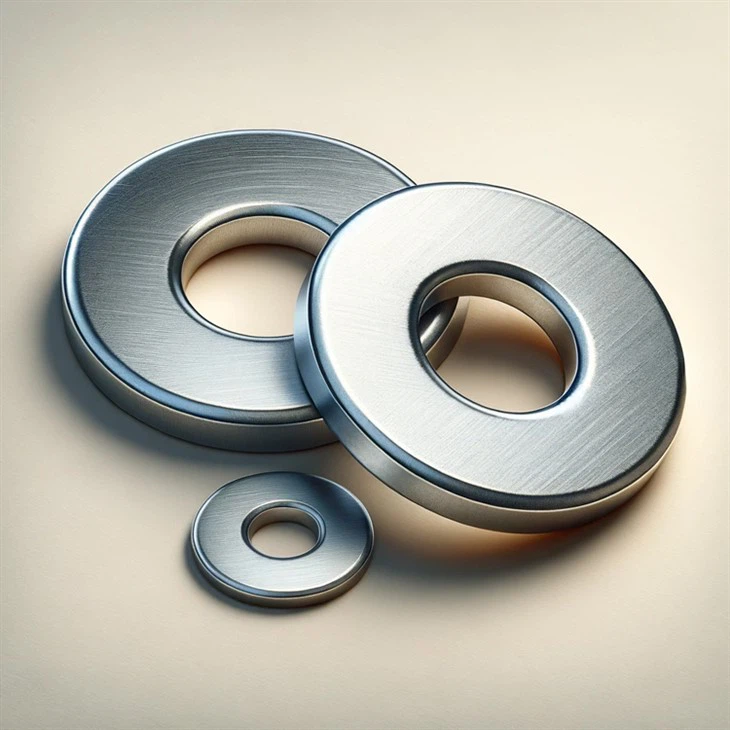
As a washer supplier, I am committed to providing high-quality washers that are resistant to corrosion. We offer a wide range of washers, including Regular Helical Spring-Lock Washers and Type A Plain Washers, made from corrosion-resistant materials and coated with advanced surface treatments.
If you are interested in learning more about our washers or have any questions about corrosion protection, please feel free to contact us. We would be happy to discuss your specific requirements and provide you with the best solutions for your applications.

References
- Jones, D. A. (1992). Principles and Prevention of Corrosion. Prentice Hall.
- Uhlig, H. H., & Revie, R. W. (1985). Corrosion and Corrosion Control. Wiley.
- Fontana, M. G. (1986). Corrosion Engineering. McGraw-Hill.