




How do I choose the right washer for a wood - to - metal connection?
 Jun 11, 2025|
 When it comes to wood - to - metal connections, choosing the right washer is a crucial step that can significantly impact the overall performance and longevity of the joint. As a washer supplier, I've encountered numerous customers who are unsure about which washer to select for their specific wood - to - metal applications. In this blog post, I'll share some insights and guidelines to help you make an informed decision.
Understanding the Role of Washers in Wood - to - Metal Connections
Before delving into the selection process, it's important to understand why washers are used in wood - to - metal connections. Washers serve several key functions:
- Distribute Load: Wood is a relatively soft material compared to metal. When a bolt or screw is tightened, the pressure can cause the wood to deform or split. A washer spreads the load over a larger area of the wood surface, reducing the risk of damage.
- Prevent Loosening: Vibration and movement can cause fasteners to loosen over time. Certain types of washers, such as lock washers, are designed to provide resistance against loosening by creating friction between the fastener and the connected materials.
- Protect Surfaces: Washers can act as a barrier between the metal fastener and the wood, preventing corrosion and damage to the wood caused by direct contact with the metal.
Factors to Consider When Choosing a Washer
1. Material Compatibility
The first factor to consider is the compatibility of the washer material with both the wood and the metal components. Here are some common washer materials and their suitability for wood - to - metal connections:
- Steel Washers: Steel is a popular choice due to its strength and durability. However, if the wood is in a moist environment, steel washers may rust, which can stain the wood. In such cases, galvanized or stainless - steel washers are better options as they offer corrosion resistance.
- Brass Washers: Brass is corrosion - resistant and has a relatively low hardness, which makes it less likely to damage the wood surface. It is a good choice for applications where aesthetics are also important, as brass has an attractive appearance.
- Nylon Washers: Nylon washers are non - conductive and have good chemical resistance. They are also soft enough to prevent damage to the wood, but they may not be suitable for high - load applications.
2. Washer Type
There are several types of washers available, each with its own unique characteristics and applications. Here are some of the most common types used in wood - to - metal connections:
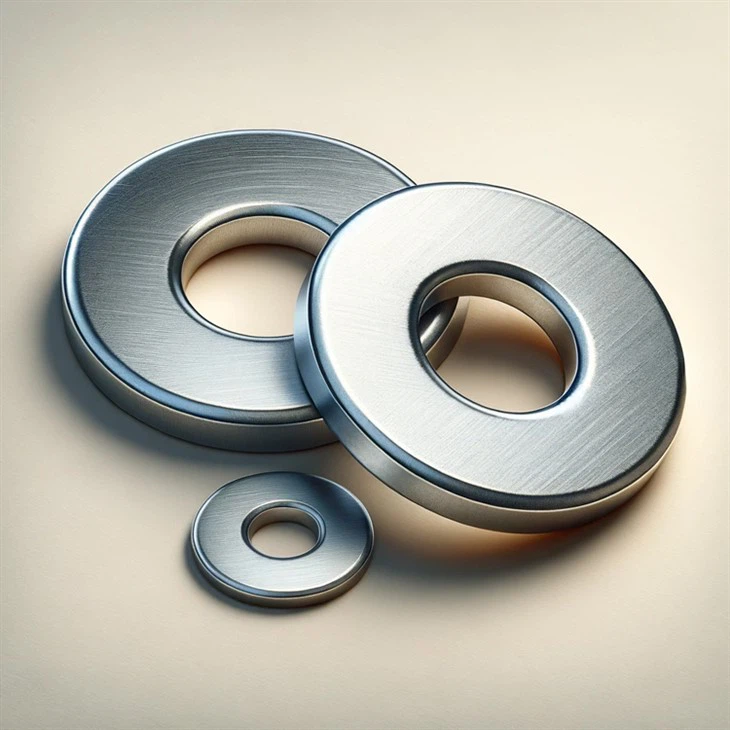
- Plain Washers: Plain washers are the simplest type of washer, consisting of a flat, circular disc with a hole in the center. They are used primarily to distribute the load and protect the wood surface. Type A Plain Washers are a common option for wood - to - metal connections. They come in various sizes and thicknesses to accommodate different fastener sizes and load requirements.
- Lock Washers: Lock washers are designed to prevent fasteners from loosening due to vibration or movement. There are several types of lock washers, including split lock washers and Regular Helical Spring - Lock Washers. Split lock washers have a split in the circumference, which creates tension when tightened, while helical spring - lock washers have a coiled design that provides a spring - like action.
- Fender Washers: Fender washers have a large outer diameter relative to the hole size, which makes them ideal for applications where a large load - bearing surface is required. They are often used in wood - to - metal connections where the wood has a tendency to split or deform.
3. Size and Thickness
The size and thickness of the washer are also important considerations. The outer diameter of the washer should be large enough to distribute the load evenly over the wood surface, but not so large that it interferes with the surrounding components. The inner diameter of the washer should match the size of the fastener.
The thickness of the washer can affect its load - bearing capacity and its ability to prevent damage to the wood. Thicker washers are generally more suitable for high - load applications, while thinner washers may be sufficient for lighter loads.
4. Application Requirements
The specific requirements of the application will also influence the choice of washer. For example, if the wood - to - metal connection is in a high - vibration environment, a lock washer may be necessary to prevent loosening. If the connection is exposed to moisture or chemicals, a corrosion - resistant washer material should be selected.
Step - by - Step Guide to Choosing the Right Washer
Step 1: Determine the Fastener Size
The first step is to determine the size of the fastener (bolt or screw) that will be used in the wood - to - metal connection. This will help you select a washer with the appropriate inner diameter.
Step 2: Consider the Load Requirements
Estimate the load that the connection will be subjected to. If the load is high, a thicker washer or a washer with a larger outer diameter may be required. For lighter loads, a thinner or smaller washer may be sufficient.
Step 3: Evaluate the Environment
Consider the environment in which the connection will be located. If the environment is moist, corrosive, or subject to high temperatures, choose a washer material that is resistant to these conditions.

Step 4: Select the Washer Type
Based on the factors discussed above, select the appropriate washer type. If load distribution is the primary concern, a plain washer may be sufficient. If preventing loosening is important, a lock washer should be considered.
Step 5: Check for Compatibility
Ensure that the selected washer is compatible with both the wood and the metal components. Consider the potential for galvanic corrosion if different metals are in contact.
Examples of Wood - to - Metal Applications and Washer Choices
1. Furniture Assembly
In furniture assembly, wood - to - metal connections are common. For example, when attaching metal brackets to wooden frames, a Type A Plain Washers can be used to distribute the load and prevent the wood from splitting. If the furniture is likely to be moved or subjected to vibration, a lock washer can be added to prevent the fasteners from loosening.
2. Outdoor Structures
For outdoor structures such as decks or pergolas, where wood - to - metal connections are exposed to the elements, corrosion - resistant washers are essential. Stainless - steel or galvanized washers are good choices to prevent rust and damage to the wood. Fender washers may be used to provide a larger load - bearing surface and prevent the wood from deforming.
Conclusion
Choosing the right washer for a wood - to - metal connection is a critical decision that can affect the performance and durability of the joint. By considering factors such as material compatibility, washer type, size and thickness, and application requirements, you can select the most appropriate washer for your specific needs.
As a washer supplier, I'm here to help you make the right choice. If you have any questions or need further assistance in selecting the right washer for your wood - to - metal connection, please don't hesitate to contact me for procurement discussions. I look forward to working with you to ensure the success of your projects.
References
- "Fasteners and Their Applications" by Henry Petroski
- "Handbook of Fastening Technology" by John H. Bickford