




Can washers be used in high - temperature environments?
 Jan 06, 2026|
 Hey there! As a washer supplier, I get asked a ton of questions about our products. One question that comes up quite often is, "Can washers be used in high - temperature environments?" Well, let's dive into this topic and find out.
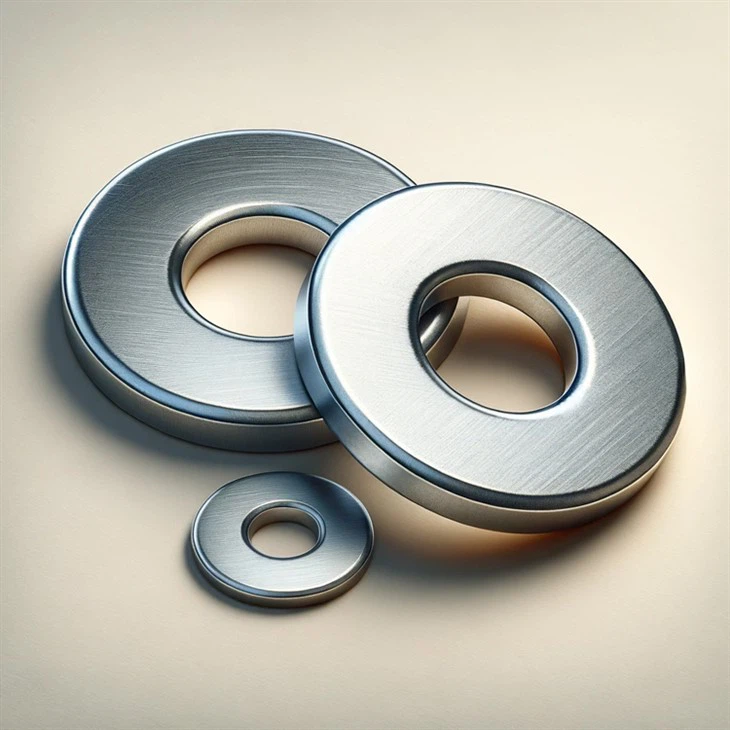
First off, it's important to understand what washers are and what they do. Washers are small, flat discs with a hole in the middle. They're used in all sorts of applications, from simple household appliances to complex industrial machinery. Their main job is to distribute the load of a threaded fastener, like a bolt or a nut, and prevent damage to the surface they're attached to.
Now, when it comes to high - temperature environments, not all washers are created equal. The ability of a washer to withstand high temperatures depends on a few key factors, including the material it's made of and its design.
Let's start with materials. Different materials have different temperature limits. For example, washers made from standard carbon steel are the most common and are relatively inexpensive. However, they tend to lose their strength and corrosion resistance at high temperatures. Typically, carbon steel washers can handle temperatures up to around 400 - 500°F (204 - 260°C). Beyond this point, they may start to warp, lose their hardness, and become more prone to rusting.
Stainless steel washers, on the other hand, are a popular choice for high - temperature applications. They offer better corrosion resistance than carbon steel, and many stainless steel alloys can handle higher temperatures. Austenitic stainless steels, such as 304 and 316, can typically withstand temperatures up to about 1,500°F (816°C). They maintain their strength and corrosion resistance over a wide temperature range, making them suitable for a variety of high - heat situations.
Another option is ceramic washers. Ceramics are known for their excellent heat resistance. They can handle extremely high temperatures, often well above 2,000°F (1,093°C). However, they are brittle and can break easily if not handled properly. So, while they're great for high - heat environments where non - conductivity and high heat tolerance are required, they may not be the best choice for applications where the washer will be subject to a lot of mechanical stress.
In addition to the material, the design of the washer also matters. Some washers are specifically designed to perform well in high - temperature environments. For instance, Regular Helical Spring - Lock Washers are constructed in a way that allows them to maintain tension even when exposed to heat. The helical design provides a degree of flexibility, which helps prevent loosening due to thermal expansion and contraction.
Type A Plain Washers can also be used in high - temperature settings, especially if they're made from a suitable high - heat material. Their simple, flat design makes them easy to use and effective at distributing the load of a fastener.
So, can washers be used in high - temperature environments? The answer is yes, but it depends on the specific requirements of the application. If you're dealing with relatively mild high temperatures (up to a few hundred degrees), carbon steel or some basic stainless steel washers might do the trick. But for extremely high temperatures, you'll need to look at more specialized materials like high - alloy stainless steels or ceramics.
It's also crucial to consider other factors in a high - temperature environment. For example, thermal cycling, which is the repeated heating and cooling of the washer, can cause additional stress. This may lead to fatigue failure over time, even if the washer can handle the maximum temperature. You'll need to take this into account when selecting the right washer for your application.

Another thing to keep in mind is the compatibility of the washer with other components in the system. In a high - temperature environment, different materials may expand and contract at different rates. This can create issues such as loosening of the fastener or damage to the surrounding parts. So, it's important to choose a washer that has similar thermal expansion characteristics to the other components in the assembly.
As a washer supplier, I've seen a wide range of applications, and I know how important it is to get the right product for the job. Whether you're working on a small DIY project or a large - scale industrial operation, choosing the correct washer for high - temperature use can save you a lot of headaches down the road.
If you're in the market for washers for high - temperature applications, don't hesitate to reach out. We have a wide range of materials and designs to choose from, and our team of experts can help you find the perfect washer for your specific needs. We're committed to providing high - quality products and excellent customer service. So, if you have any questions or need more information, just drop us a line and we'll be happy to assist you.
In conclusion, washers can definitely be used in high - temperature environments, but careful consideration of material, design, and other factors is essential. By making the right choice, you can ensure the reliability and longevity of your applications, even in the most challenging heat conditions.
References:
- "Handbook of Materials Selection" by Michael F. Ashby
- "Mechanical Design Handbook" by Robert C. Juvinall and Kurt M. Marshek