




Can washers be customized?
 Oct 06, 2025|
 As a seasoned washer supplier, I often get asked the question: "Can washers be customized?" The short answer is yes, and in this blog post, I'll delve into the details of washer customization, exploring the possibilities, benefits, and considerations.
The Basics of Washer Customization
Washers are simple yet essential components used in a wide range of applications, from automotive and construction to electronics and machinery. They come in various shapes, sizes, and materials, each designed to serve a specific purpose. While standard washers are readily available in the market, there are many situations where customized washers are the better choice.
Why Customize Washers?
- Specific Application Requirements: Different applications may require washers with unique dimensions, materials, or properties. For example, in a high-temperature environment, you might need washers made from heat-resistant materials. In a corrosive setting, stainless steel or other corrosion-resistant materials would be necessary.
- Improved Performance: Customized washers can be designed to optimize performance. This could involve reducing vibration, improving load distribution, or enhancing the overall stability of a joint.
- Brand Identity: Custom washers can be stamped or engraved with your company logo or other identifying marks, helping to promote your brand and add a professional touch to your products.
Types of Washer Customization
- Size and Dimensions: One of the most common forms of customization is adjusting the size and dimensions of the washer. This can include changing the outer diameter, inner diameter, thickness, or any combination of these. For instance, you might need a washer with a larger outer diameter to distribute the load over a wider area.
- Material Selection: The choice of material can significantly impact the performance of the washer. In addition to standard materials like steel, brass, and aluminum, custom washers can be made from specialized materials such as titanium, nylon, or rubber. Each material has its own unique properties, such as strength, corrosion resistance, or flexibility.
- Surface Finish: The surface finish of a washer can affect its appearance, durability, and performance. Custom washers can be treated with various finishes, including plating (e.g., zinc, nickel, or chrome), painting, or coating. These finishes can provide additional protection against corrosion, improve lubricity, or enhance the aesthetic appeal of the washer.
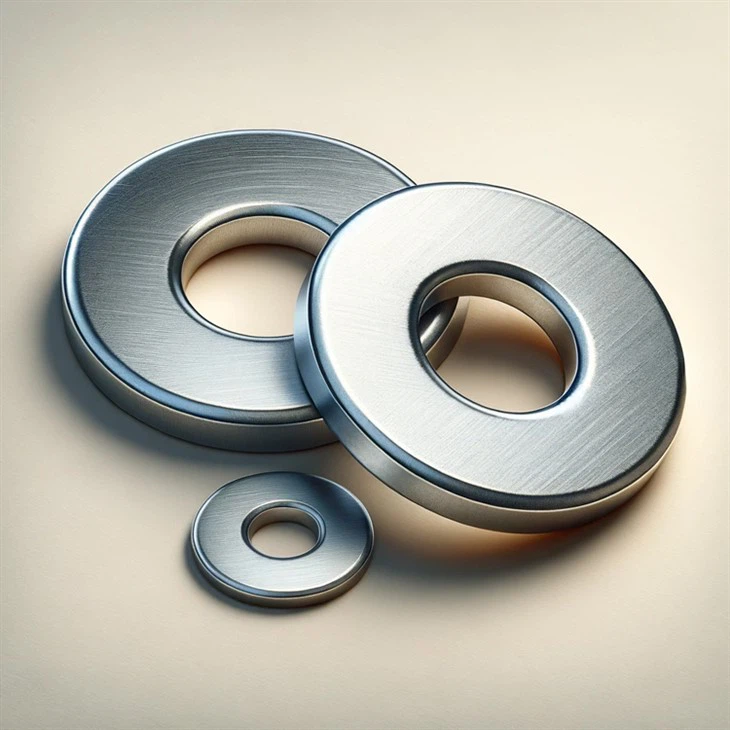
- Shape and Design: Washers can be customized into different shapes and designs to meet specific requirements. For example, Type A Plain Washers are a common type of washer with a simple, flat design, but you might need a washer with a more complex shape, such as a serrated or toothed washer, to prevent loosening.
The Customization Process
Consultation and Design
The first step in the customization process is to consult with a washer supplier. A reputable supplier will have a team of experts who can help you understand your requirements and recommend the best solutions. They will work with you to design the washer, taking into account factors such as the application, load requirements, and environmental conditions.
Prototyping
Once the design is finalized, the supplier will typically create a prototype of the custom washer. This allows you to test the washer and ensure that it meets your expectations. The prototype can be made using the same materials and manufacturing processes as the final product, giving you a realistic idea of how the washer will perform.
Manufacturing
After the prototype is approved, the supplier will proceed with the manufacturing process. Depending on the complexity of the design and the quantity required, the manufacturing process may involve various techniques, such as stamping, machining, or molding. The supplier will use high-quality materials and advanced manufacturing equipment to ensure the precision and consistency of the custom washers.
Quality Control
Throughout the manufacturing process, the supplier will implement strict quality control measures to ensure that the custom washers meet the highest standards. This may include inspecting the materials, monitoring the manufacturing process, and testing the finished products. The supplier will also provide you with a quality certification to guarantee the quality and performance of the washers.
Benefits of Working with a Professional Washer Supplier
Expertise and Experience
A professional washer supplier has the expertise and experience to handle all aspects of the customization process. They have in-depth knowledge of different materials, manufacturing processes, and industry standards, allowing them to provide you with the best solutions for your specific needs.
Customization Options
A reputable supplier will offer a wide range of customization options, allowing you to create washers that are tailored to your exact requirements. They will work closely with you to understand your needs and provide you with detailed design options and recommendations.
Quality Assurance
Working with a professional supplier ensures that you receive high-quality custom washers that meet or exceed your expectations. The supplier will have a strict quality control system in place to ensure that the washers are manufactured to the highest standards and are free from defects.
Cost-Effectiveness
While custom washers may seem more expensive than standard washers at first glance, they can actually be more cost-effective in the long run. By choosing the right materials and design, you can improve the performance and durability of the washers, reducing the need for frequent replacements and maintenance. Additionally, a professional supplier can help you optimize the design and manufacturing process to minimize costs without compromising on quality.
Considerations When Customizing Washers
Quantity Requirements
The quantity of custom washers you need can have a significant impact on the cost and lead time. Generally, the larger the quantity, the lower the unit cost. However, if you only need a small quantity of custom washers, the supplier may need to charge a higher price to cover the setup and tooling costs.
Lead Time
Customizing washers takes time, especially if the design is complex or the materials are hard to source. It's important to discuss the lead time with the supplier upfront and plan accordingly. A reputable supplier will be able to provide you with a realistic estimate of the lead time based on your requirements.
Cost
The cost of custom washers depends on several factors, including the size, material, design, and quantity. It's important to get a detailed quote from the supplier before placing an order to ensure that the cost is within your budget. Remember to consider the long-term benefits of using custom washers, such as improved performance and durability, when evaluating the cost.

Conclusion
In conclusion, washers can definitely be customized to meet your specific requirements. Whether you need a washer with unique dimensions, materials, or design, a professional washer supplier can help you create the perfect solution. By working with a reputable supplier, you can benefit from their expertise, customization options, quality assurance, and cost-effectiveness.
If you're interested in customizing washers for your application, I encourage you to reach out to us. Our team of experts is ready to assist you in every step of the process, from consultation and design to manufacturing and quality control. We offer a wide range of customization options, including Type A Plain Washers and Regular Helical Spring-Lock Washers, and we're committed to providing you with high-quality products and excellent customer service. Contact us today to discuss your requirements and get a free quote.
References
- "Fasteners Handbook," Industrial Press Inc.
- "Mechanical Design Handbook," McGraw-Hill Education.