




Can Type A Plain Washers be used in high - temperature environments?
 Oct 02, 2025|
 When it comes to the world of fasteners, washers play a crucial role in ensuring the stability and longevity of connections. As a supplier of Type A Plain Washers, I often encounter questions from customers regarding the suitability of these washers in various environments, especially high - temperature settings. In this blog, I'll delve into whether Type A Plain Washers can be used in high - temperature environments, exploring their properties, limitations, and potential alternatives.
Understanding Type A Plain Washers
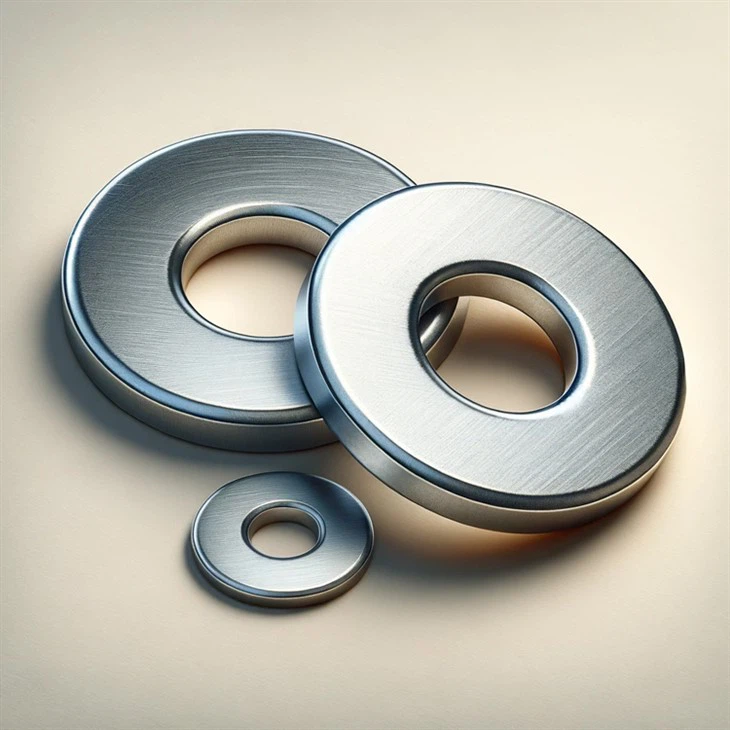
Type A Plain Washers are one of the most commonly used washers in the industry. They are flat, annular disks with a central hole, typically made from materials such as steel, stainless steel, brass, or nylon. These washers are primarily used to distribute the load of a threaded fastener, such as a bolt or a nut, over a larger area. This helps prevent damage to the surface being fastened and reduces the risk of loosening due to vibration. You can find more information about Type A Plain Washers on our website Type A Plain Washers.
High - Temperature Environments: What Constitutes "High - Temperature"?
Before we can determine if Type A Plain Washers are suitable for high - temperature environments, it's important to define what we mean by "high - temperature." Generally, high - temperature environments can be classified into three categories:
- Low - High Temperatures (up to 200°C): These are relatively common in industrial settings, such as near motors or in some heating systems.
- Medium - High Temperatures (200°C - 500°C): Found in more extreme industrial applications, like in some ovens or combustion engines.
- Extremely High Temperatures (above 500°C): These are typically encountered in specialized applications such as foundries, aerospace, and some high - energy research facilities.
Factors Affecting the Performance of Type A Plain Washers in High - Temperature Environments
Several factors need to be considered when evaluating the use of Type A Plain Washers in high - temperature environments:
Material Properties
- Thermal Expansion: Different materials expand at different rates when heated. For example, metals generally have a higher coefficient of thermal expansion compared to some plastics. If a Type A Plain Washer made of a metal expands significantly more than the surrounding components, it can lead to misalignment, increased stress on the fastener, and potential failure of the connection.
- Melting Point: The melting point of the washer material is a critical factor. If the temperature in the environment approaches or exceeds the melting point of the washer material, the washer will lose its structural integrity. For instance, common steel washers have a melting point around 1370°C - 1530°C, while some nylon washers may start to melt at temperatures as low as 150°C - 200°C.
- Oxidation and Corrosion Resistance: High temperatures can accelerate the oxidation and corrosion of metals. In a high - temperature environment, a washer that is not resistant to oxidation may rust or corrode, which can weaken the washer and affect its performance. Stainless steel washers are often a better choice in such environments due to their higher corrosion resistance.
Mechanical Properties
- Hardness and Strength: As the temperature increases, the hardness and strength of materials can decrease. This means that a Type A Plain Washer that is strong enough at room temperature may become too soft in a high - temperature environment, leading to deformation under load.
- Elasticity: The elasticity of the washer material is also affected by temperature. A loss of elasticity can result in the washer being unable to maintain the required pre - load on the fastener, which may cause the connection to loosen over time.
Suitability of Type A Plain Washers in Different High - Temperature Ranges
Low - High Temperatures (up to 200°C)
In low - high temperature environments, Type A Plain Washers made of steel or stainless steel are generally suitable. These materials can withstand temperatures up to 200°C without significant loss of their mechanical properties. For example, a steel washer will retain most of its hardness and strength, and its thermal expansion will be relatively small. However, if the environment is also corrosive, stainless steel washers are a better choice due to their superior corrosion resistance.
Medium - High Temperatures (200°C - 500°C)
In medium - high temperature environments, the suitability of Type A Plain Washers becomes more questionable. While some high - temperature steels can withstand these temperatures, their performance may still be affected. At these temperatures, the thermal expansion of the washer may become more significant, and the risk of oxidation and corrosion increases. Specialized high - temperature alloys, such as Inconel or Hastelloy, may be more appropriate in these situations. These alloys have better high - temperature strength, oxidation resistance, and thermal stability.
Extremely High Temperatures (above 500°C)
In extremely high - temperature environments, Type A Plain Washers made of common materials are generally not suitable. The high temperatures will cause the washer to lose its structural integrity due to melting, excessive thermal expansion, and loss of mechanical properties. In these cases, advanced ceramic materials or refractory metals may be used. However, these materials are often more expensive and may require specialized manufacturing processes.
Alternatives to Type A Plain Washers in High - Temperature Environments
If Type A Plain Washers are not suitable for a particular high - temperature environment, there are several alternatives available:
High - Temperature Spring Washers
Regular Helical Spring - Lock Washers are designed to maintain a constant load on the fastener, even in high - temperature environments. These washers use the spring action to compensate for any thermal expansion or contraction of the components, ensuring that the connection remains tight.
Insulating Washers
In some high - temperature applications where electrical insulation is also required, insulating washers made of materials such as mica or ceramic can be used. These washers can withstand high temperatures and provide electrical insulation at the same time.

Conclusion
In summary, the use of Type A Plain Washers in high - temperature environments depends on several factors, including the specific temperature range, the material properties of the washer, and the requirements of the application. While Type A Plain Washers made of appropriate materials can be used in low - high temperature environments, they may not be suitable for medium - high or extremely high - temperature settings. As a supplier of Type A Plain Washers, I recommend carefully evaluating the temperature requirements of your application and considering the alternatives if necessary.
If you have any questions about the suitability of Type A Plain Washers for your high - temperature application or if you are interested in exploring other washer options, please feel free to contact us for a detailed consultation. Our team of experts is ready to assist you in finding the best solution for your needs.
References
- ASME Standards on Fasteners
- ASTM International - Material Specifications for Washers
- Machinery's Handbook, 31st Edition