




Can I reuse washers?
 Oct 06, 2025|
 Hey there! As a washers supplier, I often get asked this question: "Can I reuse washers?" It's a valid concern, especially when you're trying to save some bucks or be more eco - friendly. Let's dive deep into this topic and find out the ins and outs of reusing washers.
Understanding Washers
First off, let's talk a bit about what washers are. Washers are small but mighty components used in all sorts of applications, from simple DIY projects around the house to heavy - duty industrial machinery. They come in different shapes, sizes, and materials, each designed for a specific purpose.
There are two types of washers that I'd like to mention here. One is the Regular Helical Spring - Lock Washers. These washers are great for preventing nuts and bolts from loosening due to vibration. They work by applying a spring - like force between the nut and the surface it's tightened against.
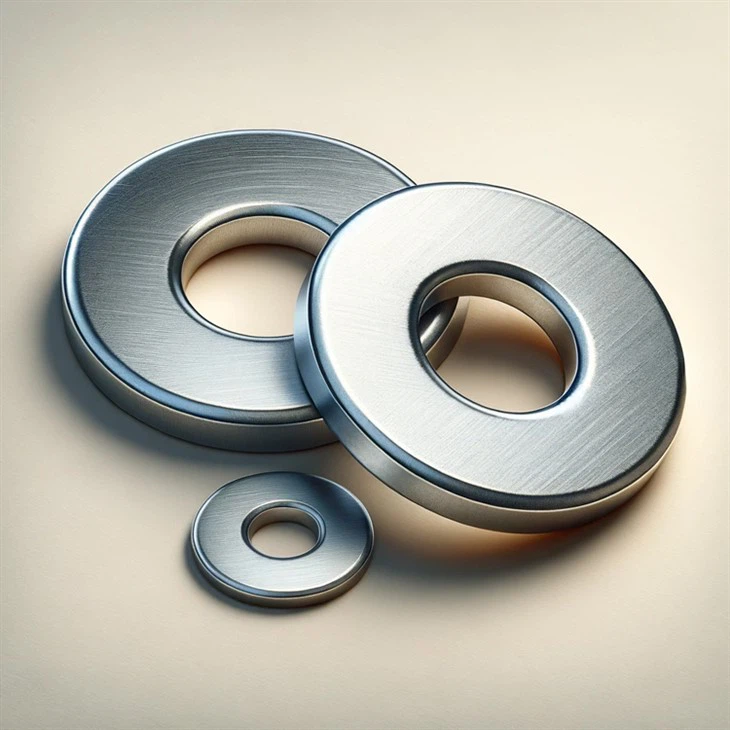
The other type is the Type A Plain Washers. Plain washers are used mainly to distribute the load of a threaded fastener, like a bolt or a nut, over a larger area. This helps prevent damage to the surface the fastener is being tightened onto.
Factors Affecting Washer Reusability
Now, whether you can reuse a washer depends on several factors.
Condition of the Washer
The most obvious factor is the condition of the washer itself. If it's visibly damaged, like having cracks, chips, or excessive wear, then reusing it is a big no - no. A damaged washer won't be able to perform its function properly. For example, a cracked spring - lock washer won't be able to apply the necessary spring force to keep the nut from loosening. And a worn - out plain washer might not distribute the load evenly, which could lead to damage to the surface it's protecting.
Application and Load
The application where the washer was used also matters. In high - stress applications, such as in automotive engines or heavy machinery, the washers are subjected to a lot of pressure, heat, and vibration. These conditions can cause the washer to deform or lose its elasticity over time. Reusing a washer from such an application might not be safe, as it could fail under the same high - stress conditions again.
On the other hand, in low - stress applications, like assembling a piece of furniture, the washers are under much less strain. In these cases, as long as the washer is in good condition, reusing it is usually okay.
Material of the Washer
The material of the washer plays a crucial role too. Some materials are more prone to wear and tear than others. For instance, washers made of soft metals like aluminum might get deformed more easily compared to those made of hardened steel. If you're using aluminum washers in a high - friction or high - pressure situation, they might not be suitable for reuse.
Steps to Check if a Washer Can Be Reused
So, how do you check if a washer is reusable? Here are some simple steps:
Visual Inspection
First, give the washer a good look. Check for any visible signs of damage, like cracks, bends, or excessive corrosion. If you see any of these, it's best to replace the washer.

Measure the Dimensions
Use a caliper to measure the key dimensions of the washer, such as the inner diameter, outer diameter, and thickness. Compare these measurements with the specifications of a new washer. If the dimensions are significantly different, the washer might have been deformed and should not be reused.
Test the Functionality
For spring - lock washers, you can test their springiness. Try compressing the washer between your fingers. If it doesn't spring back properly or feels too loose, it's a sign that it has lost its elasticity and is not suitable for reuse.
Benefits of Reusing Washers
If you can safely reuse a washer, there are some benefits.
Cost Savings
The most obvious one is cost savings. Buying new washers every time can add up, especially if you're working on a large project. Reusing washers that are still in good condition can help you cut down on your expenses.
Environmental Impact
Reusing also has a positive environmental impact. By reusing washers, you're reducing the demand for new manufacturing, which in turn saves resources and reduces waste.
When Not to Reuse Washers
Despite the benefits, there are situations where reusing washers is a bad idea.
Critical Applications
In critical applications where the failure of a washer could lead to serious consequences, such as in aerospace or medical equipment, it's always best to use new washers. The safety and reliability of these applications are of utmost importance, and you can't take any chances with reused components.
After Exposure to Harsh Chemicals
If the washer has been exposed to harsh chemicals, it might have been corroded or its material properties might have been altered. In such cases, reusing the washer could lead to premature failure or contamination of the system it's part of.
Conclusion
So, can you reuse washers? The answer is, it depends. If the washer is in good condition, was used in a low - stress application, and passes the inspection tests, then reusing it is a viable option. However, in high - stress or critical applications, it's usually better to play it safe and use new washers.
As a washers supplier, I'm always here to help you make the right choice. Whether you need new washers or have questions about reusing the ones you have, feel free to reach out. We can have a chat about your specific needs and figure out the best solution for you. If you're interested in purchasing high - quality washers, including Regular Helical Spring - Lock Washers and Type A Plain Washers, let's start a conversation about your procurement requirements.
References
- Machinery's Handbook: A comprehensive guide to mechanical engineering, which provides detailed information on fasteners and washers.
- Automotive Engineering Textbooks: These textbooks offer insights into the use of washers in automotive applications and the importance of their proper functioning.