




Are Type A Plain Washers cost - effective?
 Aug 07, 2025|
 As a supplier of Type A Plain Washers, I've had numerous conversations with clients about the cost - effectiveness of these essential components. In this blog post, I'll delve into the various aspects that determine whether Type A Plain Washers offer good value for money.
Understanding Type A Plain Washers
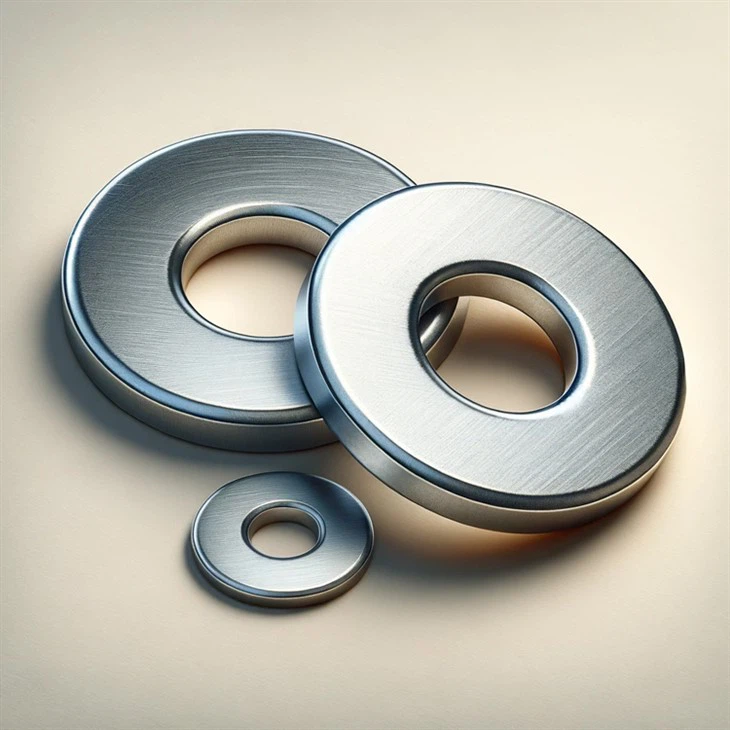
Type A Plain Washers, available at Type A Plain Washers, are one of the most common types of washers used in various industries. They are flat, circular discs with a central hole, typically made from materials such as steel, stainless steel, brass, or plastic. These washers serve several important functions, including distributing the load of a threaded fastener (such as a bolt or a screw) over a larger area, preventing damage to the surface being fastened, and providing a smooth surface for the fastener to turn against.
Cost Factors
Material Costs
The cost of the material used to manufacture Type A Plain Washers is a significant factor. Steel washers are generally the most affordable option. They are strong and durable, suitable for a wide range of applications. Stainless steel washers, on the other hand, are more expensive due to the cost of the raw material and its corrosion - resistant properties. This makes them ideal for use in environments where rust and corrosion are a concern, such as outdoor structures or in the food and beverage industry. Brass washers offer good electrical conductivity and are often used in electrical applications, but they also come at a relatively higher cost compared to steel. Plastic washers are the least expensive in terms of material cost, but they may have limitations in terms of strength and temperature resistance.
Manufacturing Costs
The manufacturing process also affects the cost of Type A Plain Washers. Mass - produced washers can be made at a lower cost per unit. High - volume production allows for economies of scale, where the cost of setting up the manufacturing equipment and the cost of raw materials are spread over a large number of units. Precision - made washers, which require tighter tolerances and more advanced manufacturing techniques, will be more expensive. For example, washers used in aerospace or medical applications need to meet very strict quality standards, and the manufacturing process for these washers is more complex and costly.
Cost - Effectiveness in Different Applications
General Engineering Applications
In general engineering applications, such as machinery assembly and construction, Type A Plain Washers are highly cost - effective. Their simple design and relatively low cost make them a practical choice for distributing the load of fasteners. For example, in a machine where hundreds or thousands of fasteners are used, using Type A Plain Washers can significantly reduce the overall cost of the project. The durability of steel washers ensures that they can withstand the normal operating conditions of most machinery, providing long - term performance without the need for frequent replacement.
Corrosive Environments
When it comes to corrosive environments, the cost - effectiveness analysis changes. While stainless steel Type A Plain Washers are more expensive upfront, they can save money in the long run. In a marine environment, for instance, steel washers would quickly rust and corrode, leading to the need for frequent replacement. This not only incurs the cost of new washers but also the labor cost associated with replacing them. Stainless steel washers, with their corrosion - resistant properties, can last for many years without significant degradation, making them a cost - effective choice over the lifetime of the structure or equipment.
Electrical Applications
In electrical applications, the choice of Type A Plain Washers depends on the specific requirements. Brass washers are often used because of their good electrical conductivity. Although they are more expensive than steel washers, their ability to conduct electricity efficiently can prevent electrical problems such as arcing and overheating. In this case, the cost of using brass washers is justified by the reduced risk of electrical failures, which could lead to costly downtime and repairs.
Comparison with Other Types of Washers
Regular Helical Spring - Lock Washers
Regular Helical Spring - Lock Washers are designed to prevent fasteners from loosening due to vibration. While they offer a unique function, they are generally more expensive than Type A Plain Washers. In applications where vibration is not a major concern, using Type A Plain Washers is a more cost - effective option. However, in situations where vibration can cause fasteners to come loose, such as in automotive engines or heavy machinery, the additional cost of Regular Helical Spring - Lock Washers may be necessary to ensure the safety and reliability of the equipment.
Long - Term Cost Considerations
When evaluating the cost - effectiveness of Type A Plain Washers, it's important to consider the long - term costs. A washer that is cheap upfront but needs to be replaced frequently due to wear and tear may end up being more expensive in the long run. On the other hand, a higher - quality washer that lasts longer can provide better value over time. Regular maintenance and inspection can also contribute to the cost - effectiveness of Type A Plain Washers. By identifying and replacing worn - out washers before they cause damage to the fasteners or the structure, you can avoid more costly repairs down the line.
Conclusion
In conclusion, Type A Plain Washers can be highly cost - effective, depending on the application and the specific requirements. Their simplicity, versatility, and relatively low cost make them a popular choice in many industries. However, it's important to carefully consider the material, manufacturing process, and the long - term costs when making a decision. Whether you're in general engineering, dealing with corrosive environments, or working in electrical applications, there is a Type A Plain Washer that can meet your needs in a cost - effective way.
If you're interested in purchasing Type A Plain Washers for your project, I encourage you to reach out to discuss your specific requirements. We can work together to find the most cost - effective solution for your application.

References
- Machinery's Handbook, 31st Edition
- ASME Standards for Fasteners
- ASTM Standards for Washers