




Are there international standards for washers?
 Nov 14, 2025|
 Hey there! As a washer supplier, I often get asked if there are international standards for washers. Well, the short answer is yes, but it's a bit more complicated than that. In this blog post, I'll break down the international standards for washers, why they matter, and how they impact my business as a supplier.
What Are International Standards for Washers?
International standards for washers are a set of guidelines and specifications that define the size, shape, material, and performance requirements of washers. These standards ensure that washers produced in different countries are interchangeable and meet a certain level of quality. The most well - known international standards for washers are developed by the International Organization for Standardization (ISO).
ISO has a series of standards related to washers, such as ISO 7089 for plain washers for general purposes, ISO 7090 for large plain washers, and ISO 8739 for spring washers. These standards cover a wide range of washer types, including flat washers, spring washers, and lock washers.
For example, ISO 7089 specifies the dimensions, tolerances, and material requirements for Type A Plain Washers. It ensures that these washers have consistent outer diameters, inner diameters, and thicknesses, no matter where they are manufactured. This standardization is crucial for industries that rely on washers, such as automotive, aerospace, and machinery manufacturing.
Why Do International Standards Matter?
Compatibility
One of the main reasons international standards matter is compatibility. When a company designs a product, they need to know that the washers they use will fit properly with other components. For instance, if a car manufacturer is assembling an engine, they need to be sure that the washers they source from different suppliers will fit the bolts and nuts correctly. International standards ensure that washers from different parts of the world can be used interchangeably, reducing the risk of assembly errors and improving the overall quality of the product.
Quality Assurance
International standards also play a vital role in quality assurance. By following these standards, washer manufacturers can ensure that their products meet a certain level of quality. For example, the standards specify the minimum strength and hardness requirements for washers. This means that when a customer buys a washer that meets an international standard, they can have confidence in its performance and durability.
Global Trade
In today's globalized economy, international standards facilitate global trade. When a washer supplier wants to export their products to different countries, having products that meet international standards makes it easier to enter new markets. Customers in other countries are more likely to trust and purchase washers that comply with well - recognized standards. It also reduces the need for costly and time - consuming product testing and certification in each individual market.
How Do International Standards Impact My Business as a Supplier?
Production Processes
As a washer supplier, international standards have a significant impact on my production processes. I need to ensure that all the washers I produce meet the relevant ISO standards. This means investing in high - quality raw materials and using advanced manufacturing equipment. For example, to meet the strength requirements specified in the standards, I may need to use specific grades of steel and heat - treat the washers properly.
Quality Control
Quality control is another area where international standards come into play. I have to implement strict quality control measures to ensure that every washer leaving my factory meets the standard specifications. This includes regular inspections of raw materials, in - process inspections during manufacturing, and final inspections before shipment. Any non - compliant washers are rejected, which helps maintain the reputation of my products in the market.
Marketing and Sales
International standards also benefit my marketing and sales efforts. When I promote my washers to potential customers, I can highlight that they meet international standards. This gives customers more confidence in my products and makes them more likely to choose my washers over those of my competitors. It also allows me to target a wider range of customers, including large multinational companies that require products to meet specific standards.

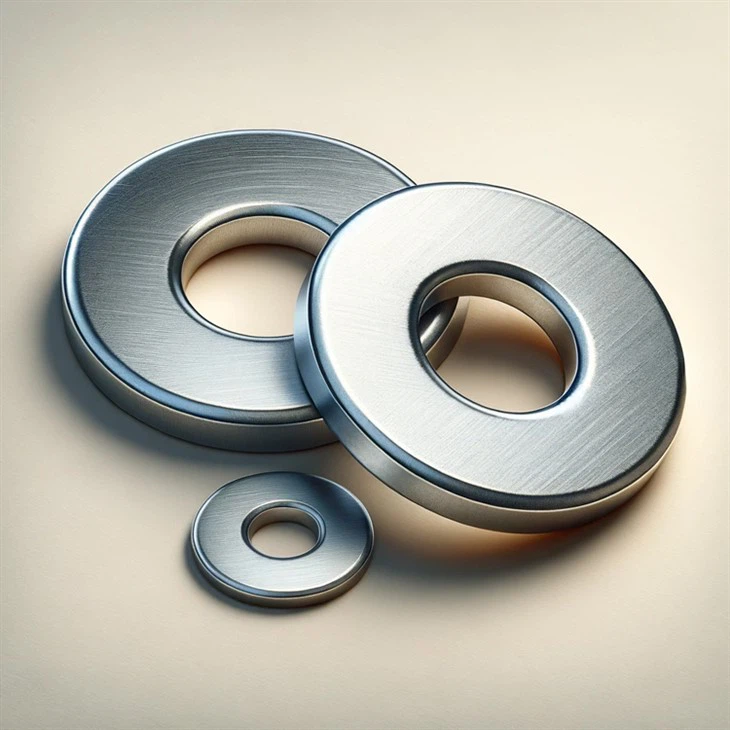
Different Types of Washers and Their Standards
Plain Washers
Plain washers are one of the most common types of washers. They are used to distribute the load of a threaded fastener, such as a bolt or nut, over a larger area. As mentioned earlier, ISO 7089 and ISO 7090 are the main international standards for plain washers. These standards define the dimensions, material, and surface finish of plain washers.
Spring Washers
Spring washers, such as Regular Helical Spring - Lock Washers, are designed to provide a spring force that helps prevent loosening of threaded fasteners due to vibration or thermal expansion. ISO 8739 is the standard for spring washers. It specifies the dimensions, mechanical properties, and testing methods for these washers.
Lock Washers
Lock washers are used to prevent nuts and bolts from loosening. There are different types of lock washers, such as split lock washers and toothed lock washers. While there isn't a single comprehensive international standard for all lock washers, there are industry - specific standards and guidelines that ensure their proper performance.
Challenges in Complying with International Standards
Cost
Complying with international standards can be costly for washer suppliers. As I mentioned earlier, it requires investing in high - quality raw materials, advanced manufacturing equipment, and strict quality control measures. These additional costs can sometimes make it difficult for small and medium - sized suppliers to compete with larger companies.
Keeping Up with Changes
International standards are not static. They are regularly updated to reflect new technologies, materials, and industry requirements. As a supplier, I need to stay informed about these changes and make the necessary adjustments to my production processes and quality control systems. This can be challenging, especially when there are multiple standards to follow and the updates come at a rapid pace.
Conclusion
In conclusion, there are indeed international standards for washers, and they play a crucial role in the washer industry. These standards ensure compatibility, quality assurance, and facilitate global trade. As a washer supplier, I benefit from these standards in terms of production, quality control, and marketing. However, there are also challenges in complying with them, such as cost and keeping up with changes.
If you're in the market for high - quality washers that meet international standards, I'd love to have a chat with you. Whether you need Type A Plain Washers or Regular Helical Spring - Lock Washers, I can provide you with reliable products. Reach out to me to start a procurement discussion, and let's work together to find the best washer solutions for your needs.
References
- International Organization for Standardization (ISO) standards documents related to washers
- Industry publications on fasteners and washers