




What is the shear strength of Type A Plain Washers?
 Nov 03, 2025|
 What is the shear strength of Type A Plain Washers?

As a supplier of Type A Plain Washers, I often get asked about the shear strength of these essential fastener components. Understanding the shear strength of Type A Plain Washers is crucial for ensuring the safety and reliability of various applications. In this blog post, I will delve into the concept of shear strength, explain how it applies to Type A Plain Washers, and discuss the factors that influence it.
Understanding Shear Strength
Shear strength refers to the maximum amount of shear stress that a material can withstand before it fails. Shear stress occurs when two parallel forces act in opposite directions on a material, causing it to deform or break along a plane parallel to the forces. In the context of Type A Plain Washers, shear strength is the ability of the washer to resist forces that attempt to cut or slice it.
Shear Strength of Type A Plain Washers
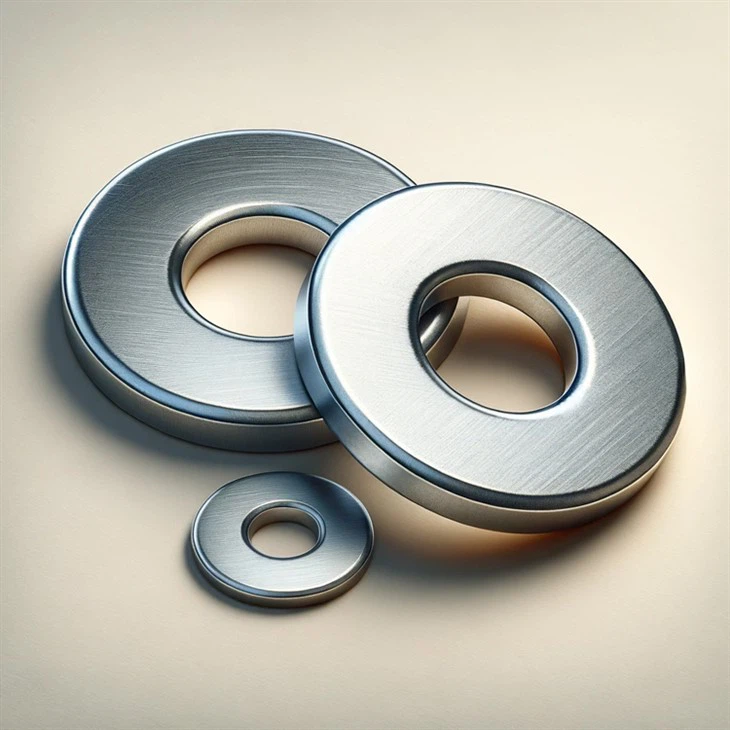
Type A Plain Washers are simple, flat, and circular components typically made of metal, such as steel or stainless steel. Their primary function is to distribute the load of a fastener, such as a bolt or a nut, over a larger surface area, preventing damage to the material being fastened and ensuring a secure connection.
The shear strength of Type A Plain Washers depends on several factors, including the material they are made of, their dimensions, and the manufacturing process. Generally, washers made of high-strength materials, such as alloy steel, will have higher shear strength than those made of lower-strength materials, such as mild steel.
The dimensions of the washer also play a significant role in determining its shear strength. Thicker washers generally have higher shear strength than thinner ones because they can withstand greater forces without deforming or breaking. Additionally, the outer diameter and inner diameter of the washer can affect its shear strength, as larger washers may be more resistant to shear forces.
The manufacturing process can also impact the shear strength of Type A Plain Washers. Washers that are precision-manufactured using advanced techniques, such as cold forging or machining, are likely to have more consistent and higher shear strength than those produced using less precise methods.
Factors Influencing Shear Strength
In addition to the material, dimensions, and manufacturing process, several other factors can influence the shear strength of Type A Plain Washers. These include:
- Surface Finish: A smooth surface finish can reduce friction and wear, which can help maintain the shear strength of the washer over time.
- Heat Treatment: Heat treatment processes, such as quenching and tempering, can improve the hardness and strength of the washer, thereby increasing its shear strength.
- Load Distribution: Proper load distribution is essential for ensuring that the washer can withstand the applied shear forces. If the load is not evenly distributed, it can cause stress concentrations, which can lead to premature failure of the washer.
- Environmental Conditions: Exposure to harsh environmental conditions, such as high temperatures, humidity, or corrosive substances, can degrade the material of the washer and reduce its shear strength.
Importance of Shear Strength in Applications
The shear strength of Type A Plain Washers is of utmost importance in various applications, especially those where the fasteners are subjected to high shear forces. For example, in automotive and aerospace applications, washers are used to secure critical components, such as engine parts and structural elements. In these applications, a washer with insufficient shear strength could fail under the applied loads, leading to catastrophic consequences.
In construction and engineering projects, Type A Plain Washers are used to connect structural members, such as beams and columns. The shear strength of these washers is crucial for ensuring the stability and integrity of the structure. If the washers fail due to inadequate shear strength, it can compromise the safety of the entire structure.
Testing Shear Strength
To ensure that Type A Plain Washers meet the required shear strength standards, they are typically subjected to rigorous testing procedures. These tests involve applying a controlled shear force to the washer until it fails, and measuring the maximum force it can withstand. The results of these tests are used to determine the shear strength of the washer and to ensure that it meets the specifications of the application.
Conclusion
In conclusion, the shear strength of Type A Plain Washers is a critical property that determines their performance and reliability in various applications. As a supplier of Type A Plain Washers, I understand the importance of providing high-quality washers with consistent and reliable shear strength. By carefully selecting the materials, controlling the manufacturing process, and conducting thorough testing, we can ensure that our washers meet the highest standards of quality and performance.
If you are in need of Type A Plain Washers for your application, I encourage you to contact us to discuss your requirements. Our team of experts can help you select the right washers based on your specific needs and provide you with detailed information about their shear strength and other properties.
References
- "Mechanical Fasteners Handbook" by Henry Petroski
- "Fastener Technology for Design Engineers" by James H. Bickford
- "Materials Science and Engineering: An Introduction" by William D. Callister Jr. and David G. Rethwisch