




How do I ensure that washers meet safety regulations?
 May 14, 2025|
 As a supplier of washers, ensuring that our products meet safety regulations is of utmost importance. Not only does it protect the end - users of our washers, but it also upholds the reputation of our business. In this blog, I will discuss the steps I take to guarantee that all our washers comply with safety standards.
Understanding Safety Regulations
The first step in ensuring washer safety is to have a comprehensive understanding of the relevant safety regulations. Different regions and industries may have their own specific requirements. For example, in the automotive industry, washers need to meet strict standards related to vibration resistance and load - bearing capacity. In the construction sector, washers must be able to withstand environmental factors such as corrosion and extreme temperatures.
I stay updated on the latest safety regulations by subscribing to industry newsletters, participating in relevant trade shows and seminars, and maintaining close contact with regulatory bodies. This continuous learning process allows me to anticipate any changes in the requirements and make necessary adjustments to our manufacturing processes.
Material Selection
The quality of the materials used in washers has a direct impact on their safety and performance. We source our materials from trusted suppliers who are known for their high - quality products. For instance, when manufacturing Regular Helical Spring - Lock Washers, we use high - carbon steel that has excellent spring properties and corrosion resistance.
Before using any new material, we conduct a series of tests to ensure that it meets our internal quality standards as well as the relevant safety regulations. These tests include chemical composition analysis, mechanical property testing (such as tensile strength and hardness), and corrosion resistance testing. By carefully selecting materials, we can ensure that our washers are durable and safe to use in various applications.
Manufacturing Process Control
A well - controlled manufacturing process is crucial for producing washers that meet safety regulations. We have implemented a strict quality control system throughout the manufacturing process.
In the stamping process, which is commonly used to produce washers, we use precision stamping dies to ensure accurate dimensions and smooth edges. Any deviation from the specified dimensions can affect the performance and safety of the washers. We regularly calibrate our stamping equipment to maintain high - precision manufacturing.
During the heat - treatment process, we closely monitor the temperature and time parameters. Heat treatment is essential for improving the mechanical properties of washers, such as hardness and toughness. Incorrect heat - treatment can lead to brittle washers that are prone to cracking or breaking under stress.
In addition, we have a dedicated quality control team that inspects the washers at various stages of production. They use advanced inspection tools such as calipers, micrometers, and surface roughness testers to check the dimensions, surface quality, and other important parameters of the washers. Any defective washers are immediately removed from the production line to prevent them from reaching the market.
Testing and Certification
To provide further assurance of the safety of our washers, we conduct a series of comprehensive tests. These tests include:
Static Load Testing
We subject our washers to static loads to simulate the real - world conditions in which they will be used. This test helps us determine the maximum load that a washer can withstand without deformation or failure. For example, Type A Plain Washers used in heavy - duty machinery need to be able to support large static loads without any signs of damage.
Vibration Testing
In many applications, washers are exposed to vibrations. Vibration testing is used to evaluate the ability of washers to maintain their position and performance under vibrating conditions. We use specialized vibration testing equipment to simulate different levels of vibration and measure the performance of our washers over time.
Corrosion Resistance Testing
For washers used in outdoor or corrosive environments, corrosion resistance is a critical factor. We conduct salt - spray tests and other corrosion - resistance tests to assess how well our washers can withstand corrosion. By ensuring good corrosion resistance, we can extend the service life of the washers and prevent safety hazards caused by corrosion - induced failures.

Once our washers pass all the required tests, we seek relevant certifications. Certifications such as ISO 9001 (Quality Management System) and ISO 14001 (Environmental Management System) demonstrate our commitment to quality and safety. These certifications also give our customers confidence in the safety and reliability of our products.
Supplier and Customer Communication
Maintaining open communication with our suppliers and customers is also an important part of ensuring washer safety.
We work closely with our material suppliers to ensure that they understand our quality requirements. Regular communication helps us address any potential issues in a timely manner and make necessary adjustments to the material supply.
On the customer side, we encourage our customers to provide feedback on the performance and safety of our washers. This feedback is valuable as it allows us to identify any potential problems and make improvements to our products. We also provide clear instructions on the proper use and installation of our washers to ensure that they are used safely in various applications.
Traceability and Documentation
Traceability is an important aspect of safety assurance. We have a comprehensive traceability system in place that allows us to track the origin of the materials, the manufacturing process, and the distribution of each batch of washers. This system enables us to quickly identify and address any quality or safety issues that may arise.
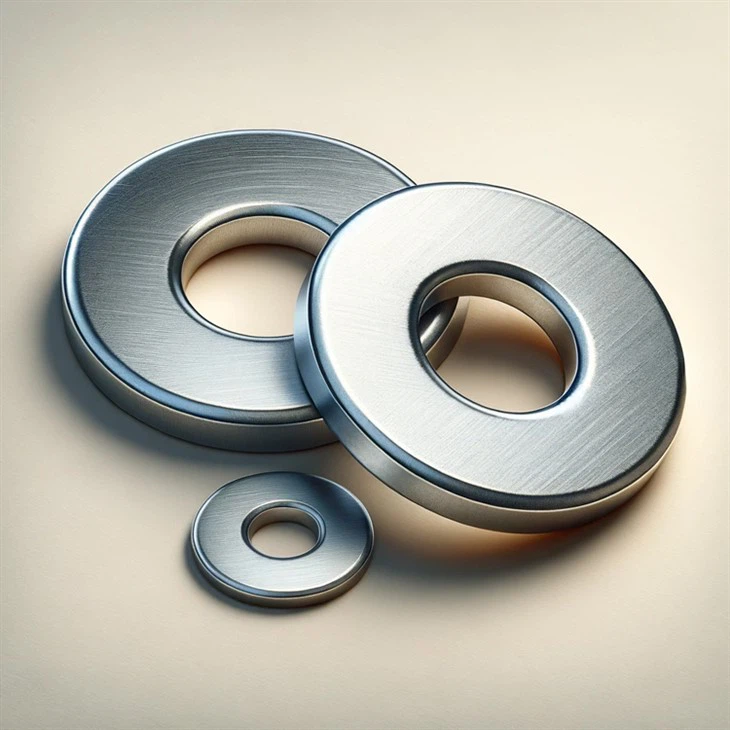
In addition, we maintain detailed documentation of all our manufacturing processes, test results, and certifications. This documentation serves as evidence of our compliance with safety regulations and can be provided to customers or regulatory authorities upon request.
Continuous Improvement
Safety is not a one - time achievement but an ongoing process. We are committed to continuous improvement in our efforts to ensure that our washers meet the highest safety standards.
We regularly review our manufacturing processes, testing methods, and quality control systems to identify areas for improvement. We also invest in research and development to explore new materials and manufacturing techniques that can enhance the safety and performance of our washers.
By continuously improving our products and processes, we can stay ahead of the curve in terms of safety and meet the evolving needs of our customers.
In conclusion, ensuring that washers meet safety regulations is a multi - faceted process that involves understanding regulations, material selection, process control, testing, communication, traceability, and continuous improvement. As a washer supplier, I am dedicated to providing high - quality, safe washers to our customers. If you are interested in purchasing our washers or have any questions about our products, please feel free to contact us for further discussion and procurement negotiation.
References
- ISO 9001:2015 Quality management systems — Requirements
- ISO 14001:2015 Environmental management systems — Requirements with guidance for use
- Industry - specific safety standards for automotive, construction, and other relevant sectors.